


Português English

Game

The Brutal Medieval Reality feature
2025.05.05

The Brutal Medieval Reality

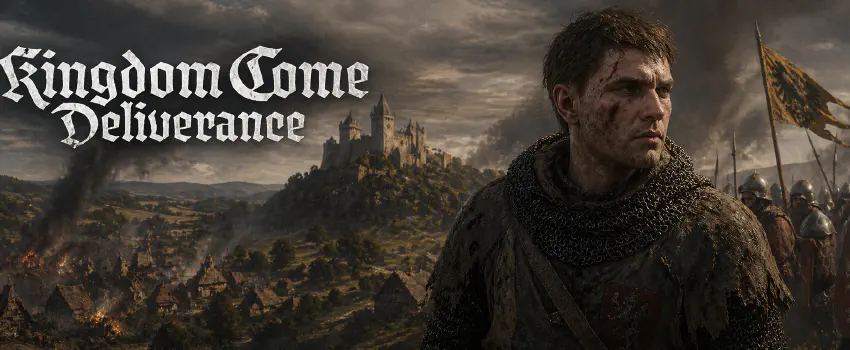
In a genre dominated by dragons and chosen ones, this title stands out by offering something much rarer: historical authenticity. You aren’t a hero; you are Henry, the son of a blacksmith, and at the start, you can barely hold a sword, let alone read. From a gamedev perspective, the commitment to this “zero-to-hero” simulation is a bold design choice that dictates every other system in the experience.

Simulation of Ancient

The technical foundation, built on a heavily modified version of CryEngine, is both a blessing and a curse. Visually, the engine’s strength in rendering dense vegetation and realistic lighting is on full display. The forests feel like real Bohemian woodlands, with light filtering through the canopy in a way that feels procedurally natural rather than hand-placed. However, the trade-off is evident in the hardware demands and the occasional physics “jank” that occurs when complex AI schedules collide with a highly detailed environment.

The AI system is particularly ambitious. Every NPC has a 24-hour routine, which isn’t just cosmetic. If a merchant isn’t at their stall, they are likely eating or sleeping. This creates a living world but introduces massive edge cases for quest triggers—a classic dev headache where systemic freedom competes with narrative stability.

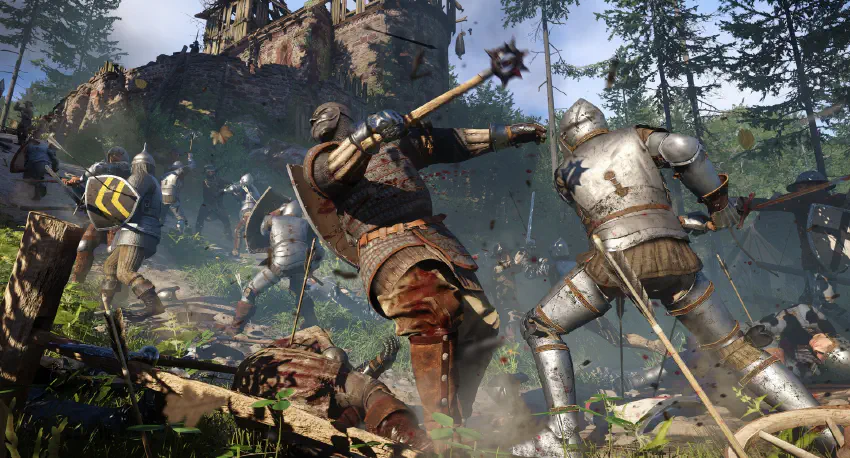
Kcd siege combat

Systems

As a developer, I am naturally drawn to deep, interlocking systems. I spent a lot of time analyzing how the developers handled the alchemy and maintenance mechanics. The alchemy system is incredibly innovative, requiring the player to physically interact with the bellows, distillers, and ingredients in real-time. It’s a masterclass in diegetic UI design. Ironically, despite my love for appreciation for well-crafted systems, I found myself barely touching the actual crafting system. In any game, in fact. I acknowledged the brilliance of the implementation, but the sheer friction of the simulation—while thematic—meant I often preferred to find or buy my gear rather than engage with the labor-intensive crafting loop myself.

The save system, tied to the “Saviour Schnapps” item, is another polarizing design decision. It forces the player to live with their mistakes, which heightens the tension of every encounter. From a design standpoint, it’s a interesting way to prevent “save scumming”.

A Tale of Two Halves

The narrative starts with a personal quest for vengeance that masterfully anchors you in the larger political machinations of the Holy Roman Empire. The voice acting is grounded and human, which complements the gritty aesthetic. However, the experience stumbles as it nears the finish line. The final chapters feel somewhat convoluted and rushed, losing the intimate focus that made the early hours so compelling. The transition from a personal journey to a large-scale military conflict exposes some of the engine’s limitations in handling massive crowds.

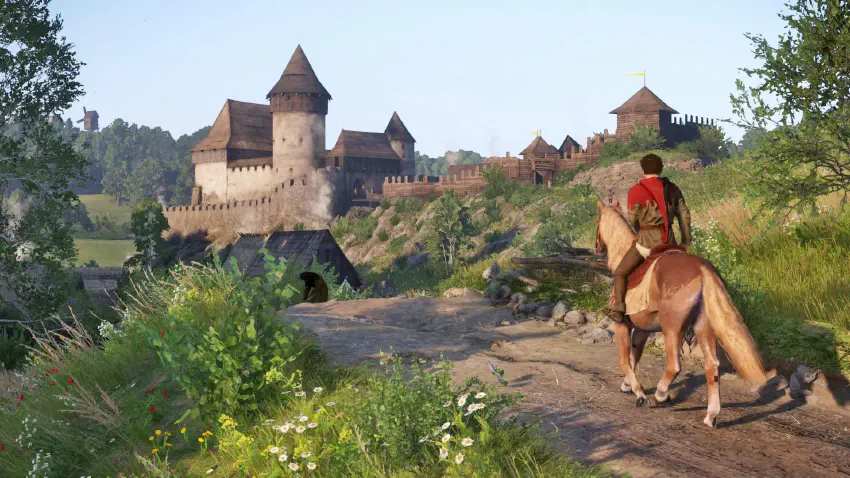
Kcd rattay

Despite these rough edges and the late-game narrative hurdles, the project remains a masterpiece for those who value immersion. It is a demanding, beautiful, and ultimately rewarding journey through a history that feels alive, proving that sometimes, the most innovative thing you can do is stick to the truth.

My Rating: 9★★★★★★★★★
Metacritic: 76
Game List 2024 feature
2024.12.31

Game List 2024

Every year, I try to compile a list of games, books, and movies I experienced. For the complete list, check the Ratings. Here we go (sorted by rating, then alphabetically)!

Finished

  1. Outer Wilds (10★★★★★★★★★★): A masterstroke of exploration and existential wonder. Rewards curiosity. Now it’s time for the expansion.
  2. Deathloop (9★★★★★★★★★): One of the best games this year. The protagonists stand out, though some bosses feel over-the-top. Their personalities are quirky but take some getting used to. The game can be surprisingly easy.
  3. Beyond: Two Souls (8★★★★★★★★): Starting this story-driven game with my wife. The acting is outstanding. The story holds up until the final chapters, where it falters a bit. A solid narrative experience.
  4. Carrion (8★★★★★★★★): Channeling John Carpenter’s The Thing, it’s a blast to play as the monstrous entity.
  5. Dredge (8★★★★★★★★): A dark, Lovecraftian fishing adventure where you sell catches and upgrade your boat while uncovering eerie secrets.
  6. Marvel Guardians of the Galaxy (8★★★★★★★★): Hilarious character interactions carry the game, though the combat and exploration mechanics can feel disjointed and overly complex at times.
  7. RoboCop: Rogue City (8★★★★★★★★): Nostalgia factor to the roof. While not groundbreaking, it’s a competent tribute.
  8. Storyteller (8★★★★★★★★): A clever puzzle game that lets you weave tales, rewarding creativity with delightful twists.
  9. There Is No Game (8★★★★★★★★): Completely out of the box, old style adventure game.
  10. Escape Academy (7★★★★★★★): Escape room as video game. All puzzles very doable. Played with my wife.
  11. Human Resource Machine (7★★★★★★★): I’ve played this programming game ages ago in the phone. But the touchscreen is not the ideal tool to write programs. The mouse/keyboard in the PC version allowed me to finish the last couple of levels that I’ve never did back them.
  12. Just Cause 4 (7★★★★★★★): I’ve tried this game before, but it was crashing on Linux. This time, worked flawless (from the tech perspective). The game play, like the Just Cause 3 (8★★★★★★★★), is fun but repetitive, due to the size of the map. The story is useless.
  13. The Case of the Golden Idol (7★★★★★★★): An indie puzzle/detective game with unique mechanics reminiscent of Return of the Obra Dinn (9★★★★★★★★★). Now I need to finish the expansions.
  14. TOEM (7★★★★★★★): A cozy photo adventure wrapped in charm.
  15. Weird West (7★★★★★★★): A dark, immersive blend of action RPG and western, filled with strange and unsettling twists. It stands out for its atmosphere and storytelling, but the story itself takes time to settle down.
  16. Biomutant (6★★★★★★): Oh, man. I really wanted to like it, but the map is too big, the story is starts nice but lose steam in chapter 2 and the narrator is annoying as hell. The game play is not that fun: the combat is too generic.
  17. Pikuniku (6★★★★★★): A lighthearted game with a welcoming vibe, suitable for younger audiences.
  18. Turmoil (5★★★★★): A simple oil-drilling sim that starts strong but runs dry quickly. Played due to the oil theme (I’ve worked in an oil company for years)

Currently Playing

  1. Card Shark (8★★★★★★★★): A clever, daring game of wit and deceit. Masterful storytelling paired with sleight-of-hand mechanics keeps you hooked.
  2. Ghost Trick (8★★★★★★★★): A fresh take on puzzle-solving with a quirky Japanese humor.
  3. Inscryption (8★★★★★★★★): Starts as a clever card game, but quickly spirals into a narrative masterpiece with layers of meta-storytelling. It’s a wild ride through different genres.
  4. Paradigm (8★★★★★★★★): old style adventure game with an amazing, but not for everyone, humor.
  5. Paradise Killer (8★★★★★★★★): CRAZY! Do not let the visuals fool you. Amazing. Loving this amazing true detective game where, as far as I know, you can draw any conclusion you want.
  6. Stray (8★★★★★★★★): Beautifully crafted, like most Annapurna games. Playing as a cat is delightful, despite being more of a dog person.
  7. The Dungeon of Naheulbeuk: The Amulet of Chaos (8★★★★★★★★): Didn’t see it coming, a genuinely funny classic turn-based RPG with top-notch humor.
  8. Death's Door (7★★★★★★★): A charming yet challenging journey through a world of souls and secrets. Sharp combat and quiet melancholy blend perfectly.
  9. Desktop Dungeons (7★★★★★★★): I’ve played a demo web version of it ages ago, and I liked so much that I’ve even bought Dungeons of Dredmor by mistake. I’ve never remembered the name of the one I liked, but recently they created a remaster and gave the original for free. Very clever and hard.
  10. Need for Speed: Hot Pursuit Remaster (7★★★★★★★): High-speed thrills with a nostalgic edge, but the polish only goes so far.
  11. Overland (7★★★★★★★): A puzzle game with a post-apocalyptic theme.
  12. The Outer Worlds (7★★★★★★★): Playing a lot due to the fact I’m recently following its creator, Tim Cain, channel.
  13. Tunic (7★★★★★★★): In the very early stages. I do not like games that too vague stories. But this one seems to have a reason.
  14. Very Little Nightmares (6★★★★★★): Atmospheric dread and fun scaled down.

Not finished yet (for one reason or another)

Many projects barely begun. Installed to test, but mostly in limbo—WIP or collecting dust. Unfinished tales of exploration and hesitation.

  1. Black Mesa (8★★★★★★★★): The official/unofficial Half-Life 1 remake. Superb! Curious to see what the fuss was about HF1 after finishing Half-Life 2 (8★★★★★★★★) last year.
  2. Disco Elysium: The Final Cut (8★★★★★★★★): Holy moly! Got it from my brother on my birthday, had only a couple of minutes to play, but it’s already shaping up to be a favorite.
  3. Gris (8★★★★★★★★): Beautiful first level.
  4. Shadow Tactics: Blades of the Shogun (8★★★★★★★★): Liked the thinking in this game. Definitely one I’ll try to complete sooner than later.
  5. Deus Ex: Mankind Divided (7★★★★★★★): liked the first title, Deus Ex: Human Revolution (8★★★★★★★★), but this one is a far inferior game. The story is not nice and the gameplay is not fun so far.
  6. Dyson Sphere Program (6★★★★★★): Got an old version to give it a try. It’s a lot of things at once.
  7. Slipways (6★★★★★★): Strategy-heavy, almost like playing chess. Not quite my style.
  8. Industria (6★★★★★★): Short Half-Life-esque with nice visuals.

Continuous playing

I play them eventually. Most of them, are strategy games. Nothing new from last year’s list, except:

  1. Crusader Kings 3 (8★★★★★★★★): Time sucker, like many Paradox titles.
  2. while True: learn() (8★★★★★★★★): Logic programming puzzles. Amazingly fun and challenging for a programmer. The special bonuses for optimized solutions request multiple plays for each scenario.
  3. Baba Is You (7★★★★★★★): Played some levels, up to the second or third “world.” SUPER clever.
  4. Horizon Chase Turbo (7★★★★★★★): A love letter to classic arcade racers. Pure, nostalgic fun, though it occasionally lacks depth.

Next games on my radar

Finally, here is a list of games that I already have in my collection that I plan to play in the next months. It’s a bit ridiculous to talk about the next game, considering the amount of unfinished ones, but the catalog is so vast that I can afford to play ahead.

  1. Doki Doki Literature Club: Out of the ordinary for your taste, but the reviews piqued your interest.
  2. Ghost of a Tale (7★★★★★★★): Followed the development process for quite some time because it was made using Unity. Looks charming and intriguing.
  3. Heavy Rain: Anticipating another story-driven experience to enjoy with your wife.
  4. Hitman: Hoping to take a more relaxed approach this time after a perfectionist run of Contracts.
  5. Prey Mooncrash: I’m a fan of time travel/time loop ideas. I bought it, but days later I got Deathloop (9★★★★★★★★★) (following game from the same company) for free.
  6. We Are There Together: Bought to play with my wife, but not included in Play Together on Steam. Considering convincing another soul to play with me
  7. XCOM 2 (6★★★★★★): Time to dive into this much-praised strategy game.
Breaking the Cycle feature
2024.10.19

Breaking the Cycle

In the ever-evolving landscape of video games, it’s rare to find a title that genuinely pushes the envelope. Arkane StudiosDeathloop does just that, offering a fresh take on the first-person shooter genre that will leave players questioning their perception of time, choice, and consequence. Set on the enigmatic island of Blackreef, it throws players into a mind-bending temporal conundrum. As Colt, an assassin trapped in a never-ending day, you’re tasked with breaking the loop by eliminating eight targets before the clock strikes midnight.

Temporal Architecture

Deathloop’s most striking innovation lies in its masterful implementation of the time loop mechanic. From a systems design perspective, Arkane has woven it into every aspect of the game, creating a playground where time itself becomes your most valuable resource and deadliest enemy. The loop isn’t just a gimmick; it’s the core around which the entire game revolves.

Juliana

The genius of this system is how it transforms failure into a tool for progress. Each cycle through Blackreef’s repeating day offers new opportunities to gather information, upgrade abilities, and inch closer to your ultimate goal. Death isn’t a setback but a chance to approach problems with new knowledge and enhanced capabilities. This “knowledge as power” progression system is a brilliant way to handle the roguelite influence without the frustration often associated with the genre.

Streamlining the Immersive Sim

Perhaps most importantly, Deathloop takes the immersive sim genre—of which Arkane is a master—and streamlines it for a broader audience without sacrificing depth. The game strikes a delicate balance between accessibility and complexity, offering multiple approaches to every objective while ensuring that players are never overwhelmed by options.

This is evident in the level design, which is a maze of interconnected paths and hidden secrets. Each district can be approached in myriad ways, rewarding both stealthy players and those who prefer a more direct approach. The freedom to tackle objectives in any order adds another layer of strategy to the loop, as players must decide how best to use their limited time each day. It respects the player’s intelligence, trusting them to unravel its mysteries through experimentation and observation.

Visual Identity and Narrative Framing

Arkane’s signature art direction shines brightly, painting Blackreef in a bold, retro-futuristic aesthetic that blends 1960s mod style with sci-fi elements. The island is a visual feast, with each district sporting its own distinct personality. From a production standpoint, the asset reuse across different times of day is managed with incredible efficiency, changing the “feel” of a location through lighting and NPC placement rather than entirely new geometry.

Deathloop level

The voice acting is a highlight, particularly the dynamic between Colt and Julianna. Their banter crackles with humor, tension, and genuine emotion. However, this strength also highlights a missed opportunity with the rest of the cast. While each Visionary has a distinct personality, the lack of direct interaction or cinematics during pivotal confrontations leaves them feeling somewhat distant. The absence of traditional cutscenes is a bold choice, but it sometimes denies players the chance to fully appreciate these characters in the moment.

Ups and Downs

Despite its many strengths, Deathloop isn’t without its flaws. Some abilities, particularly Karnesis, feel overpowered in the late game, allowing players to breeze through encounters. From a balancing perspective, once you have a fully kitted-out Colt, the AI (which is intentionally somewhat “dumb” to fit the pulp action vibe) can’t always keep up.

Lastly, while all the maps are beautifully crafted, some areas like Fristad Rock feel underutilized for much of the game. It’s a shame to see such well-designed spaces not get as much “loop-time” as others.

Deathloop combat

In conclusion, Deathloop is a bold, innovative game that pushes the boundaries of what we expect from first-person shooters and immersive sims. While it has its flaws, the overall experience is one that will stick with you long after you’ve broken the loop. For fans of Arkane’s previous work or anyone looking for a fresh take on the genre, it’s must-play.

My Rating: 9★★★★★★★★★
Metacritic: 88
RoboCop is Pure Nostalgia feature
2024.05.09

RoboCop is Pure Nostalgia

In the world of video games, there’s nothing quite like the thrill of revisiting a beloved franchise from your childhood. Recently, I had the opportunity to dive into RoboCop: Rogue City, a game that brilliantly resurrects the spirit of the classic 80s cyborg cop.

The Nostalgia Factor

From the moment you boot up the game, the nostalgia factor hits you like a well-aimed round from RoboCop’s signature Auto-9 weapon. The original actors’ voices and faces, such as Peter Weller’s portrayal of RoboCop, are faithfully recreated. The gritty style and familiar locations of a dystopian Detroit all contribute to a sense of warm familiarity. It’s like stepping back into a world you thought you’d left behind, but finding it just as captivating as ever.

It’s worth noting that the game completely ignores the 2014 remake, directed by the Brazilian José Padilha.

However, this familiarity can also work against the game. The original RoboCop movies were clearly low-budget productions, and while the game does an excellent job of recreating their aesthetic, it can sometimes feel a bit too faithful. Some areas of the game feel a bit sparse and could have benefited from a bit more detail or variety.

Despite this, RoboCop: Rogue City doesn’t shy away from the source material. It embraces the original’s super violent, yet goofy nature. The game is a bloody ballet of bullets and one-liners, a testament to the enduring appeal of the RoboCop franchise. It’s clear that the developers have a deep love and understanding of what makes RoboCop so iconic.

Robocop

Graphics and Gameplay

The graphics are top-notch, with detailed environments and character models that bring the dystopian future of Detroit to life. However, the game’s AA budget is evident in some areas, such as the facial animations during cutscenes, which can be a bit of a detriment. Fortunately, these cutscenes are not crucial to the overall gameplay experience.

The gameplay is straightforward but effective, offering a satisfying experience despite its simplicity. The core mechanics involve aiming and shooting, with little strategy required. This doesn’t detract from the enjoyment of mowing down waves of criminals with RoboCop’s iconic gun. The game offers a variety of weapons, but RoboCop’s signature sidearm is often the most efficient choice due to its infinite ammo. It requires a bit of determination from the player to actually care to use other guns like bazookas, shotguns, or even throwing chairs and monitors at enemies, despite being fun.

One downside of the game is its lack of difficulty. For the most part, the game is quite easy, with only the final boss providing a significant challenge. Additionally, the mini-bosses can be easily exploited by hiding in blind spots and shooting, which takes away from the excitement of these encounters.

Classic robocop poster

The Story

The story of RoboCop: Rogue City is delightfully cheesy, but it doesn’t innovate much. It uses several tropes from the original movies, and some beats even seem like they’ve been copy-pasted from the source material. The villain, known as “The New Guy,” is a classic RoboCop bad guy, and the plot involves nuke drug, a scheme to replace RoboCop with a fully mechanical cop, and a second-in-command trying to climb the corporate ladder. It’s all very RoboCopy and fans of the franchise will appreciate the nods to the original films. However, the game’s story is not its strong suit, and it’s clear that the focus was on gameplay rather than narrative.

The RPG elements of the game are simple but add a layer of depth to the gameplay. You can upgrade various aspects of RoboCop, from his weapons to his targeting system. While none of these upgrades are essential, they do make the game a bit easier and more enjoyable. Additionally, the game features side characters that you can interact with, but none of them are particularly fleshed out. They’re not irritating, but they don’t add much to the overall experience.

Classic robocop poster

A Parallel Surprise

One of the most pleasant surprises while playing, I searched for news about the cast and the universe, I ended up discovering a documentary titled RoboDoc: The Creation of RoboCop (8★★★★★★★★). This four-episode series features interviews with all the cast and crew of the original 1987 movie, providing a behind-the-scenes look at the making of the film. It’s a fascinating watch, full of easter eggs and insights into the precarious and tense shooting environment. The documentary reveals the struggles the filmmakers faced, from fights over budget to disagreements about artistic vision. It’s clear that the creation of RoboCop was a labor of love, and the documentary does an excellent job of capturing that spirit.

RoboCop: Rogue City is a nostalgic trip down memory lane that respects its source material while offering a fun and engaging gameplay experience. The graphics are impressive, the gameplay is satisfying, and the cheesy story is a loving homage to the original films. While may not be groundbreaking, it’s a solid shooter that’s worth checking out for fans of the franchise or anyone looking for a good time. And if you’re a fan of the original movie, be sure to also check out the RoboDoc documentary.

My Rating: 8★★★★★★★★
Metacritic: 72
The Forgotten City feature
2024.03.24

The Forgotten City

In the vast landscape of video games, it’s a rare gem that can truly captivate and immerse you in its world. Originally born as a mod for Skyrim (9★★★★★★★★★) (which I’ve never played), The Forgotten City has since evolved into a standalone game that masterfully weaves together elements of Roman mythology, time loops, and detective work. Having heard the whispers of its brilliance, I found myself irresistibly drawn to it, and after spending nearly 13 hours-straight unraveling its mysteries, I can confidently say that it exceeded my expectations.

The titular forgotten city

From the moment you step into its realm, it presents a visual feast. The game’s graphics are nothing short of stunning. The city itself is a character in its own right, with its crumbling ruins, intricate architecture, and a palpable sense of history that seeps from every stone. The developers have truly outdone themselves in creating a world that is as beautiful as it is mysterious.

The gameplay of The Forgotten City is a masterclass in incentivizing exploration and experimentation. As you navigate the city and its inhabitants, you’re encouraged to delve deeper, to ask questions, and to test the boundaries of the world around you. This isn’t a game that holds your hand; instead, it trusts you to find your own way, to make your own mistakes, and to learn from them. While it may not reach the heights of detective work seen in games like Return of the Obra Dinn (9★★★★★★★★★) it still offers a satisfying and engaging experience for those who enjoy unraveling mysteries.

The characters are, for the most part, fascinating and well-developed. Each has their own story to tell, their own secrets to hide, and their own role to play in the grand tapestry of the game’s narrative. The voice acting is top-notch, bringing these characters to life in a way that makes you genuinely care about their fates.

Citizens

The story is a captivating and intricate web of mystery and intrigue. It uses, and at times subverts, the tropes of time travel stories to great effect. It unfolds gradually, revealing its secrets layer by layer as you delve deeper into the game. The narrative is a testament to the power of storytelling in video games, demonstrating how a well-crafted plot can draw you in and keep you hooked for hours on end.

However, the game’s ending, while satisfying in its own right, feels somewhat rushed. In a sudden flurry of exposition, villains explain their motivations and actions in a manner reminiscent of an old James Bond movie. This hasty revelation, while providing necessary closure, lacks the nuanced build-up that characterizes the rest of the game.

“The Many Shall Suffer for the Sins of the One”

The punishment
Every one will be turned into gold if even a single person commits a sin

Despite this minor flaw, The Forgotten City is a standout game that offers a unique and immersive experience, offering insights into Roman and Greek cultures that will appeal to history buffs and newcomers alike. A shining example of what can be achieved when creativity, passion, and skill are combined in the world of game development.

My Rating: 10★★★★★★★★★★
Metacritic: 85
Bruno MASSA