


Português English

9

KDG2 is More of The Amazing Same feature
2026.03.05

KDG2 is More of The Amazing Same

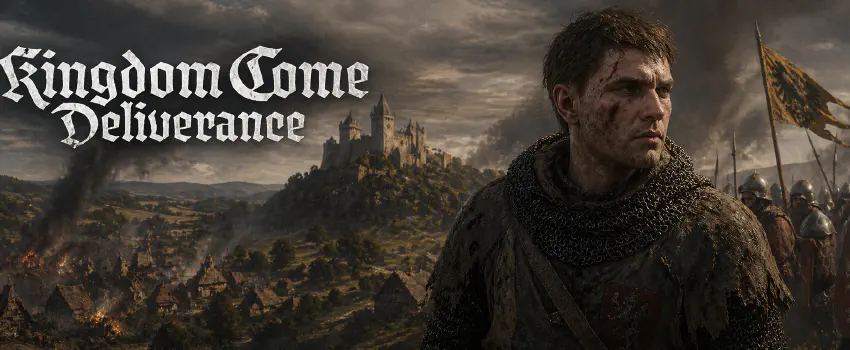
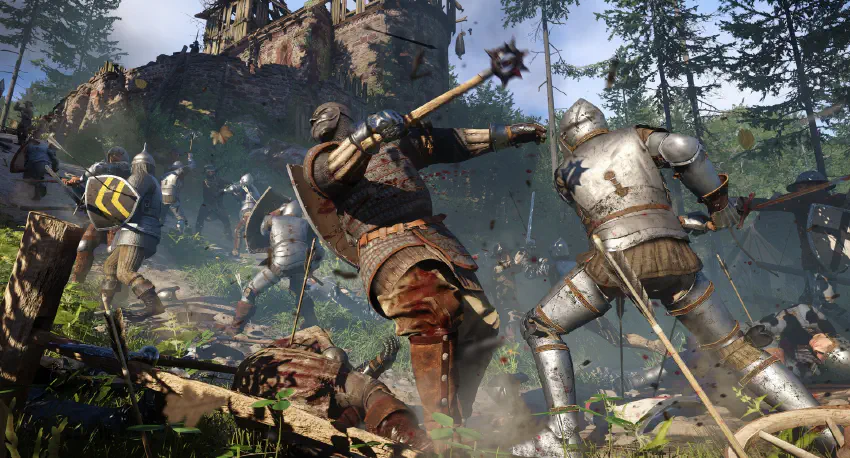
Sequels often face the “sophomore slump,” but this sequel manages to dodge that trap by doubling down on everything that made its predecessor a cult classic. Kingdom Come: Deliverance II delivers on the original’s promises with newfound polish and ambition, making it easily my best experience of the year so far, as expected.

Kuttenberg Is the New Novigrad

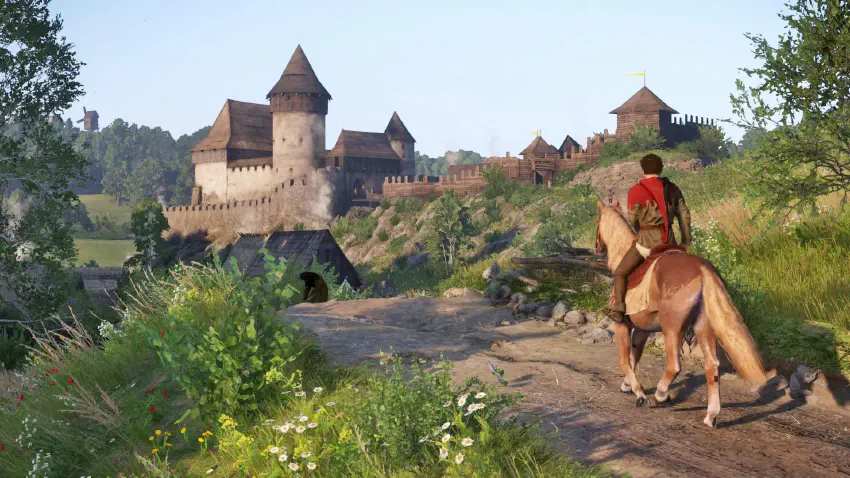
From a technical standpoint, the leap in environmental density is staggering. The standout achievement is the city of Kuttenberg. Rendering a dense, medieval urban environment in CryEngine is a massive challenge. Unlike the small villages of the first game, this is a sprawling city with multi-story buildings, crowded marketplaces, and intricate alleyways. The developers had to significantly optimize their draw-call management and level-of-detail (LOD) systems to keep the frame rate stable while maintaining the gritty, lived-in aesthetic. The lighting system, particularly the way it handles interior shadows and cobblestone reflections, is a significant step up from the first title.
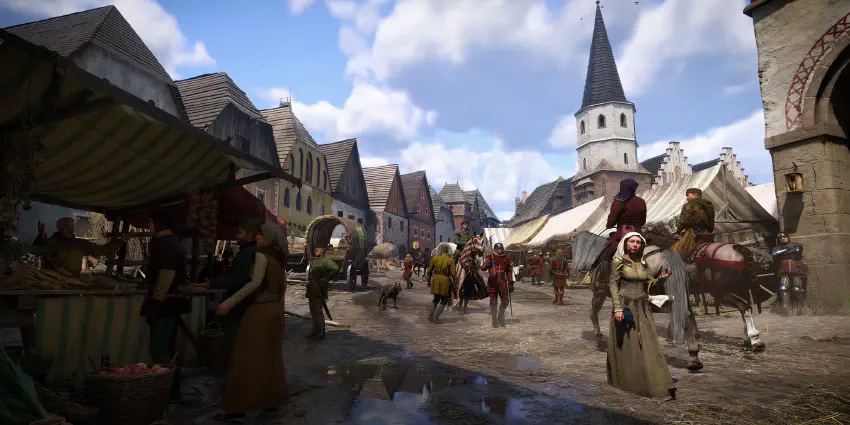
Kuttenberg

From Blacksmith to Ninja

As a developer, I’m always interested in the balance of progression systems. In this experience, the curve is somewhat front-loaded. By the time I moved to the second map and reached Kuttenberg, I was already a “super ninja.” This was largely because I took the first map very seriously, completing most of the side quests and engaging in every skirmish I could find. This provided enough opportunities to evolve Henry’s stats to a point where the quests in the second half of the game became a bit of a breeze.

While it feels rewarding to see Henry’s growth, from a design perspective, it highlights the difficulty of scaling content for a player who explores every corner. The combat, while refined and less “janky” than the original, can’t quite keep up with a fully leveled Henry, resulting in a power fantasy that contrasts sharply with the desperate survival of the early hours.

The Recurring Narrative Pacing Issue

On one hand, the amnesia setup is a clever narrative shortcut that sidesteps the “power creep” problem entirely. By stripping Henry back to a blank slate—forgetting combat techniques, alchemy recipes, and even basic survival skills—the developers justify the early-game fragility without having to invent a contrived injury or gear loss. It’s a diegetic reset button that feels surprisingly organic within the story’s opening chaos. That said, the trope wears thin quickly. The game hand-waves Henry forgetting everything—including how to hold a sword properly—while conveniently allowing him to remember key characters and plot-relevant details. It’s a functional solution to a difficult design problem, but one that lacks the elegance of the first game’s slower, more believable progression from village nobody to seasoned fighter. In trying to have it both ways, the amnesia framing occasionally feels less like storytelling and more like a designer’s duct tape.
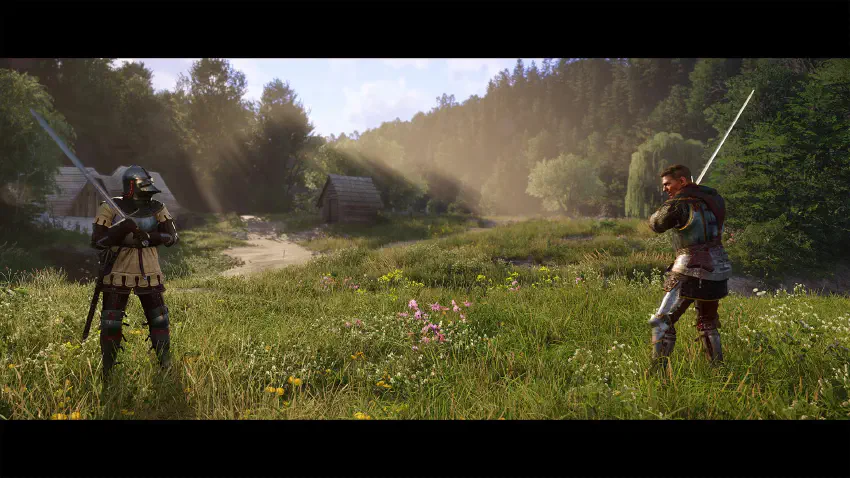
Henry dueling

Unfortunately, some of the old ghosts still haunt the machine. Just like the first entry, the sequel struggles with its final chapters. The story, which builds so much momentum in its middle act, feels rushed and confusing as it reaches its climax. From a narrative design standpoint, it’s a bit disappointing to see the same pacing issues repeat themselves. A more focused third act could have easily pushed this into a perfect 10/10 territory. It seems the team prioritized the systemic complexity and world-building over a tightly woven conclusion.

Despite the narrative stumbles at the finish line, the moment-to-moment gameplay is unparalleled. The world is denser, the quests are more varied, and the sense of being part of 15th-century history is stronger than ever.
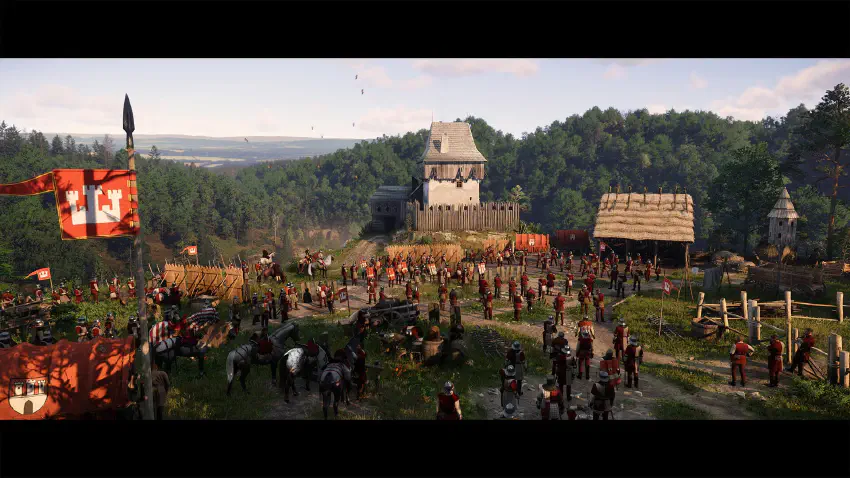
Kcd2 siege

A New Standard for Immersion

This title offers a level of immersive simulation that is hard to beat. It respects the player’s intelligence and rewards patience, even when its complex systems push back. If you loved the original, this is an essential experience. If you were put off by the previous entry’s rough edges, the added polish here might finally be enough to win you over. It’s a bold, ambitious, and deeply rewarding sequel that proves Warhorse Studios are masters of their craft, even if they still haven’t quite nailed the landing.
My Rating: 9★★★★★★★★★
Metacritic: 89
The Brutal Medieval Reality feature
2025.05.05

The Brutal Medieval Reality

In a genre dominated by dragons and chosen ones, this title stands out by offering something much rarer: historical authenticity. You aren’t a hero; you are Henry, the son of a blacksmith, and at the start, you can barely hold a sword, let alone read. From a gamedev perspective, the commitment to this “zero-to-hero” simulation is a bold design choice that dictates every other system in the experience.

Simulation of Ancient

The technical foundation, built on a heavily modified version of CryEngine, is both a blessing and a curse. Visually, the engine’s strength in rendering dense vegetation and realistic lighting is on full display. The forests feel like real Bohemian woodlands, with light filtering through the canopy in a way that feels procedurally natural rather than hand-placed. However, the trade-off is evident in the hardware demands and the occasional physics “jank” that occurs when complex AI schedules collide with a highly detailed environment.

The AI system is particularly ambitious. Every NPC has a 24-hour routine, which isn’t just cosmetic. If a merchant isn’t at their stall, they are likely eating or sleeping. This creates a living world but introduces massive edge cases for quest triggers—a classic dev headache where systemic freedom competes with narrative stability.

Kcd siege combat

Systems

As a developer, I am naturally drawn to deep, interlocking systems. I spent a lot of time analyzing how the developers handled the alchemy and maintenance mechanics. The alchemy system is incredibly innovative, requiring the player to physically interact with the bellows, distillers, and ingredients in real-time. It’s a masterclass in diegetic UI design. Ironically, despite my love for appreciation for well-crafted systems, I found myself barely touching the actual crafting system. In any game, in fact. I acknowledged the brilliance of the implementation, but the sheer friction of the simulation—while thematic—meant I often preferred to find or buy my gear rather than engage with the labor-intensive crafting loop myself.

The save system, tied to the “Saviour Schnapps” item, is another polarizing design decision. It forces the player to live with their mistakes, which heightens the tension of every encounter. From a design standpoint, it’s a interesting way to prevent “save scumming”.

A Tale of Two Halves

The narrative starts with a personal quest for vengeance that masterfully anchors you in the larger political machinations of the Holy Roman Empire. The voice acting is grounded and human, which complements the gritty aesthetic. However, the experience stumbles as it nears the finish line. The final chapters feel somewhat convoluted and rushed, losing the intimate focus that made the early hours so compelling. The transition from a personal journey to a large-scale military conflict exposes some of the engine’s limitations in handling massive crowds.

Kcd rattay

Despite these rough edges and the late-game narrative hurdles, the project remains a masterpiece for those who value immersion. It is a demanding, beautiful, and ultimately rewarding journey through a history that feels alive, proving that sometimes, the most innovative thing you can do is stick to the truth.

My Rating: 9★★★★★★★★★
Metacritic: 76
Breaking the Cycle feature
2024.10.19

Breaking the Cycle

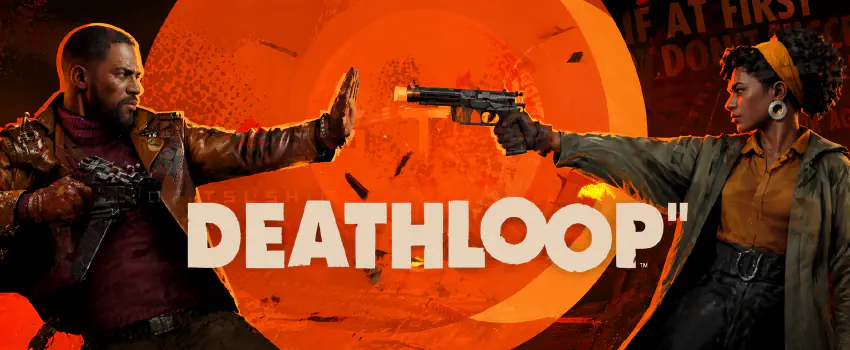
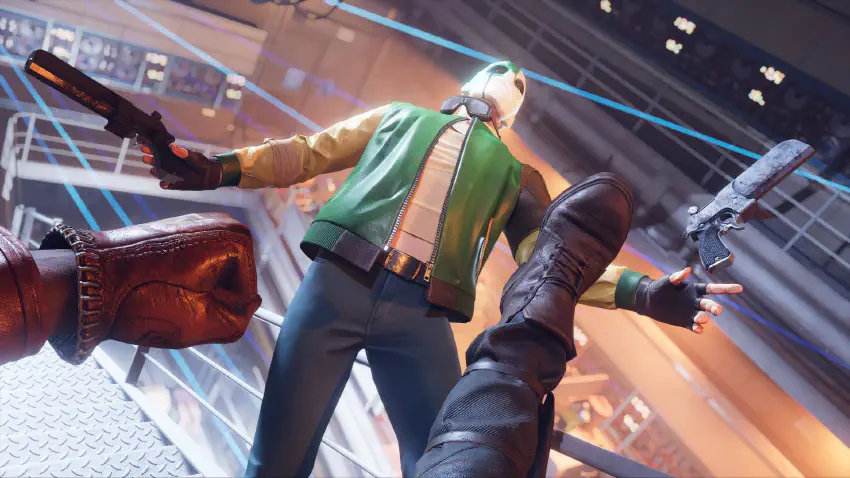
In the ever-evolving landscape of video games, it’s rare to find a title that genuinely pushes the envelope. Arkane StudiosDeathloop does just that, offering a fresh take on the first-person shooter genre that will leave players questioning their perception of time, choice, and consequence. Set on the enigmatic island of Blackreef, it throws players into a mind-bending temporal conundrum. As Colt, an assassin trapped in a never-ending day, you’re tasked with breaking the loop by eliminating eight targets before the clock strikes midnight.

Temporal Architecture

Deathloop’s most striking innovation lies in its masterful implementation of the time loop mechanic. From a systems design perspective, Arkane has woven it into every aspect of the game, creating a playground where time itself becomes your most valuable resource and deadliest enemy. The loop isn’t just a gimmick; it’s the core around which the entire game revolves.

Juliana

The genius of this system is how it transforms failure into a tool for progress. Each cycle through Blackreef’s repeating day offers new opportunities to gather information, upgrade abilities, and inch closer to your ultimate goal. Death isn’t a setback but a chance to approach problems with new knowledge and enhanced capabilities. This “knowledge as power” progression system is a brilliant way to handle the roguelite influence without the frustration often associated with the genre.

Streamlining the Immersive Sim

Perhaps most importantly, Deathloop takes the immersive sim genre—of which Arkane is a master—and streamlines it for a broader audience without sacrificing depth. The game strikes a delicate balance between accessibility and complexity, offering multiple approaches to every objective while ensuring that players are never overwhelmed by options.

This is evident in the level design, which is a maze of interconnected paths and hidden secrets. Each district can be approached in myriad ways, rewarding both stealthy players and those who prefer a more direct approach. The freedom to tackle objectives in any order adds another layer of strategy to the loop, as players must decide how best to use their limited time each day. It respects the player’s intelligence, trusting them to unravel its mysteries through experimentation and observation.

Visual Identity and Narrative Framing

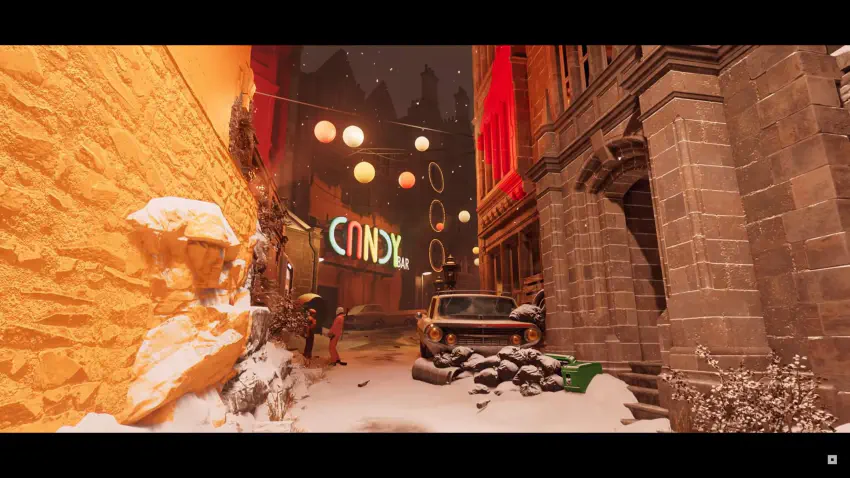
Arkane’s signature art direction shines brightly, painting Blackreef in a bold, retro-futuristic aesthetic that blends 1960s mod style with sci-fi elements. The island is a visual feast, with each district sporting its own distinct personality. From a production standpoint, the asset reuse across different times of day is managed with incredible efficiency, changing the “feel” of a location through lighting and NPC placement rather than entirely new geometry.

Deathloop level

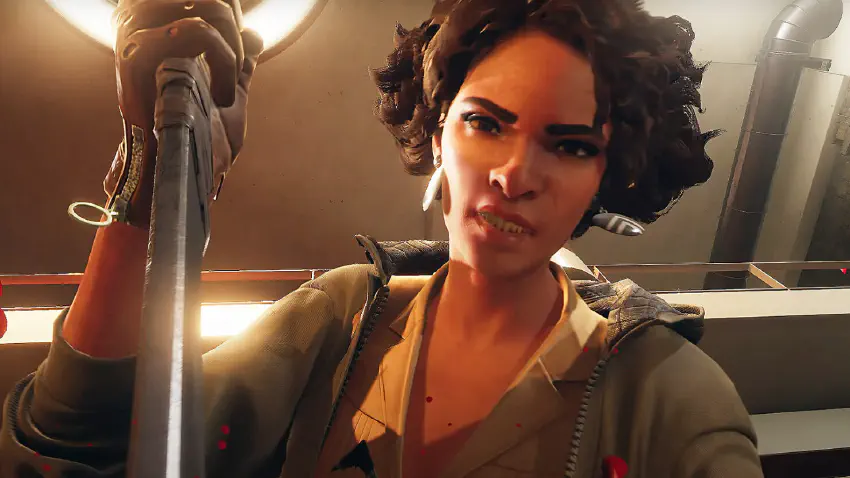
The voice acting is a highlight, particularly the dynamic between Colt and Julianna. Their banter crackles with humor, tension, and genuine emotion. However, this strength also highlights a missed opportunity with the rest of the cast. While each Visionary has a distinct personality, the lack of direct interaction or cinematics during pivotal confrontations leaves them feeling somewhat distant. The absence of traditional cutscenes is a bold choice, but it sometimes denies players the chance to fully appreciate these characters in the moment.

Ups and Downs

Despite its many strengths, Deathloop isn’t without its flaws. Some abilities, particularly Karnesis, feel overpowered in the late game, allowing players to breeze through encounters. From a balancing perspective, once you have a fully kitted-out Colt, the AI (which is intentionally somewhat “dumb” to fit the pulp action vibe) can’t always keep up.

Lastly, while all the maps are beautifully crafted, some areas like Fristad Rock feel underutilized for much of the game. It’s a shame to see such well-designed spaces not get as much “loop-time” as others.

Deathloop combat

In conclusion, Deathloop is a bold, innovative game that pushes the boundaries of what we expect from first-person shooters and immersive sims. While it has its flaws, the overall experience is one that will stick with you long after you’ve broken the loop. For fans of Arkane’s previous work or anyone looking for a fresh take on the genre, it’s must-play.

My Rating: 9★★★★★★★★★
Metacritic: 88
Wingspan feature
2022.11.29

Wingspan

Stonemaier got famous when the owner, Jamey Stegmaier, blogged every aspect of his first Kickstarter campaign. People felt confident with his struggles, thoughts, and solutions.

After some success, Stonemaier created another hit. This time the game was not designed by Jamey but by newcomer Elizabeth Hargrave. Wingspan (which is currently at the high tier in BoardGameGeek) lets you collect birds that provide special powers, that accumulate turn after turn. I bought it as the last year Christmas gift for my wife last year, and it became one of the most played games in our collection.

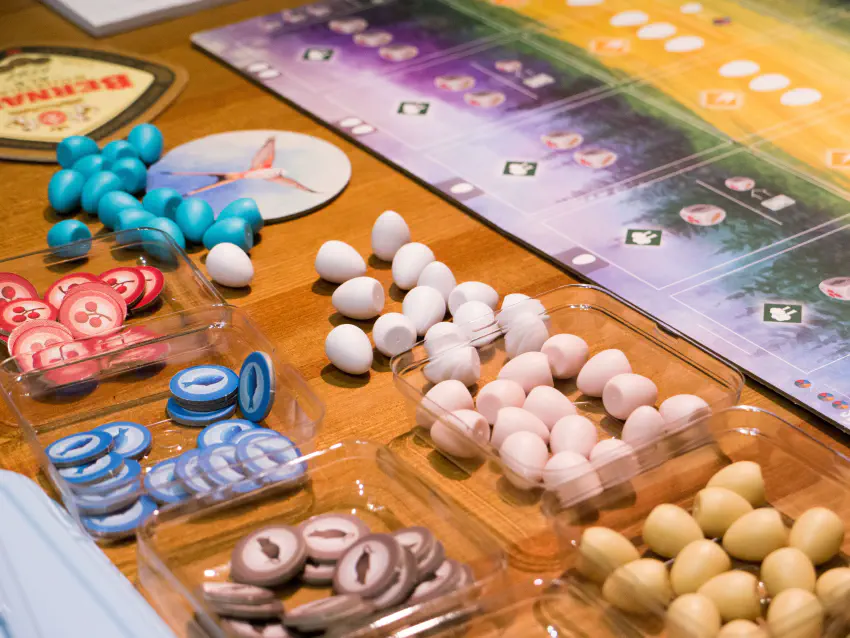
Little eggs

Positives

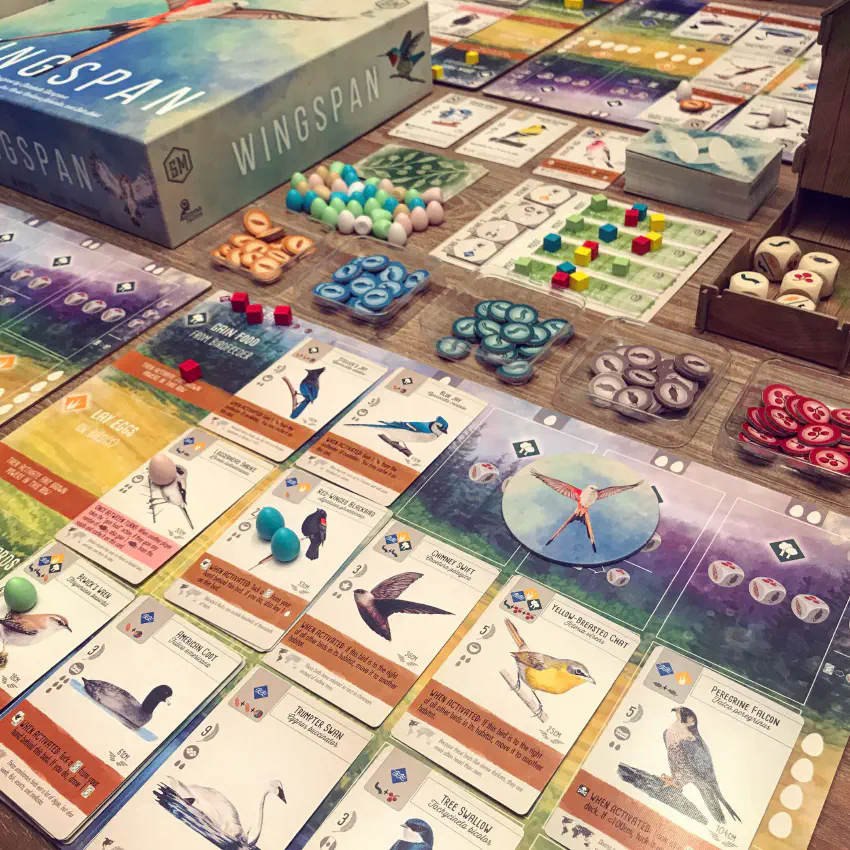
The components and art, OMG, are all high quality and adorable. The board, the cards, the dice tower, the eggs… ohhh… don’t even mention the colorful eggs. The colors do not have any gameplay meaning, but they are adorable. People always react when seeing those little eggs.

The care in creating each bird card is astonishing. The flavor text is rich in details, and most of them have a real implication in the game itself. Bird size, breeding pattern, type of food… it’s all grounded in reality!

There are birds objectively better than others, but the external objectives and bonuses may increase the usefulness of birds in each play. Considering also the huge number of cards, at least for the sake of replayability, it’s a major plus.

The core value of this game is the engine-building mechanism. Each time you get a new bird, its powers will be used in later turns. So by the end of the match, some super powerful combos will be created. It’s very satisfying to activate a multipoint machine!

Wigspan components

Negatives

This game is a multiplayer solitaire: while you can somewhat manipulate resources and face up birds a bit, it is best to be occupied to “do your best”. My nephews were hooked all the time, but mostly commenting about the birds’ looks and imagining their next moves.

It is very difficult to keep track of other people’s boards. So it is really hard to counteract. None will take mental notes tracking other players. But for those who do this, it could represent a major strategic advantage.

The abilities are fun but require a lot of reading to understand. While the texts are not long, the font is a bit small.

The dice tower, despite being cute, is prone to damage over time. I already not using it in my sessions, to preserve it.

Wigspan components

My Rating: 9★★★★★★★★★
Hacksaw Ridge feature
2017.07.03

Hacksaw Ridge

I wanted to watch the latest Mel Gibson movie as a director because… it was Mel Gibson. I understand that Gibson plays a nuts role in most peoples minds, but as  a director, he is a quite talented one. I did not know much about the movie, except it was about a war (probably second great war, based on the trailer) and Gibson was the project leader. It was enough to make me curious.

After 30 minutes into the movie, I had to admit that I was hooked. Cool characters, cool story, very nice production.

Now, after seeing it entirely, I have to say: WOW. What a great movie it is! I was not expecting this quality.

Hacksaw ridge 4.jpeg

Gore

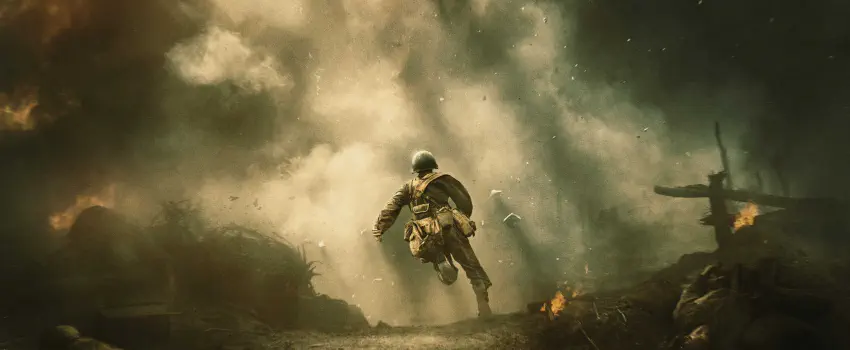
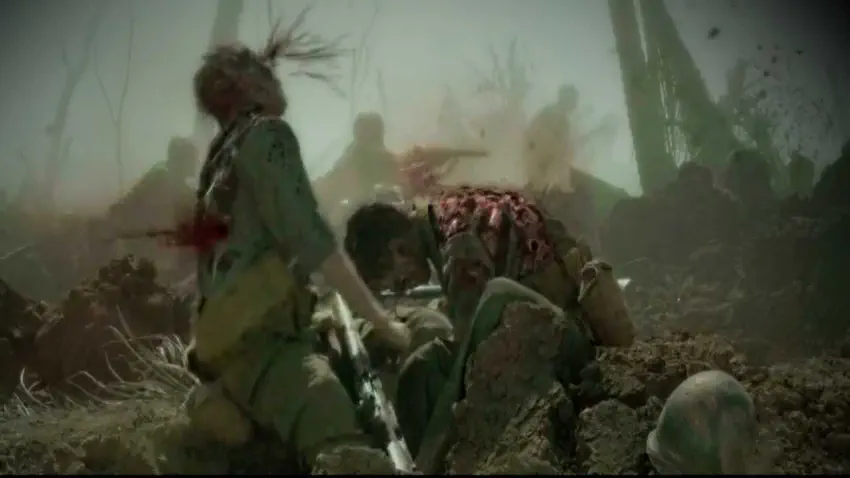
If you have heart problem, have kids with you watching or do not support violence and gore, keep away form this picture. It has it all. Like some super-realistic WWII movies (like the superb Saving Private Ryan), Hacksaw Ridge shows the battles in a visceral way. Gibson is very familiar with this, because Braveheart and Passion of the Christ are also displaying violence in its crudeness.

But for all of these movies, the crude violence is informative. It sets the tone of despair and importance of simple acts. You can see the real courageous and the cowards. The cost of the victory and the burden of the defeat.

Hacksaw ridge 2.jpeg

Religion

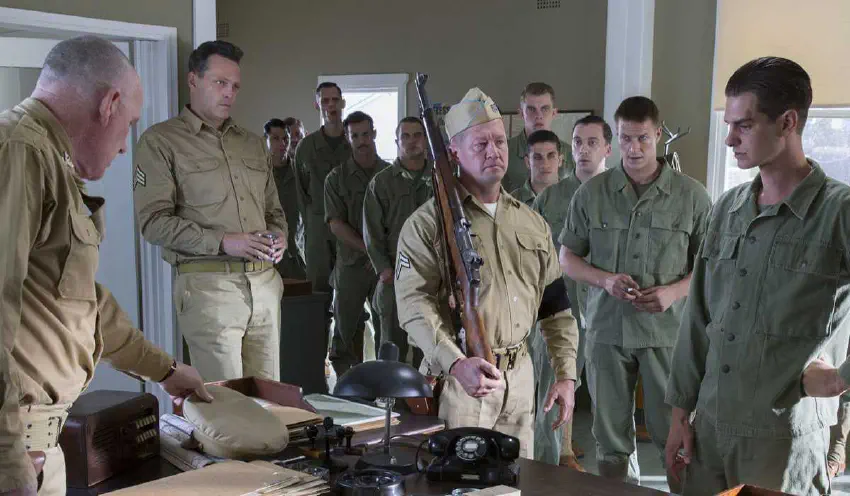
One of the major themes is about religion prejudice. It dedicates half of its time talking about how the military (and society in general) are very prejudicial against religious people, especially those fanatics. It tries to convince that, despite the fanaticism, all people should be respected. Quite bold and powerful message in times that Muslim fanatics are doing so many terrorist acts.

But the political argument was not about Muslins, but about Gibson himself. It is well knowing that Mel is a very religious person. In the last past movies, he always touched the subject. Passion of the Christ and Apocalypto address some religions views and practices. I felt that Hacksaw Ridge, sometimes, seems to be made only for the purpose of justification of his own behavior and believes.

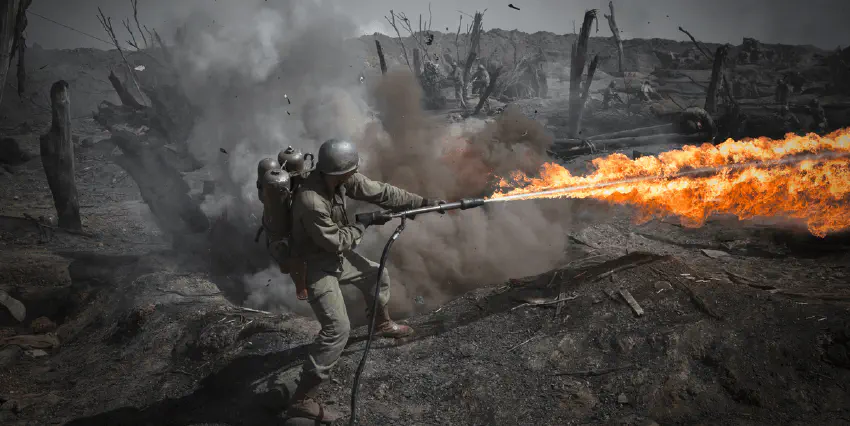
But despite the original intention a violent aesthetics, it is a must-see.

Hacksaw ridge 3.png

My Rating: 9★★★★★★★★★
Metacritic: 71
Rotten Tomatoes: 84
Bruno MASSA