


Português English

7

Expedition To A Dream feature
2026.05.07

Expedition To A Dream

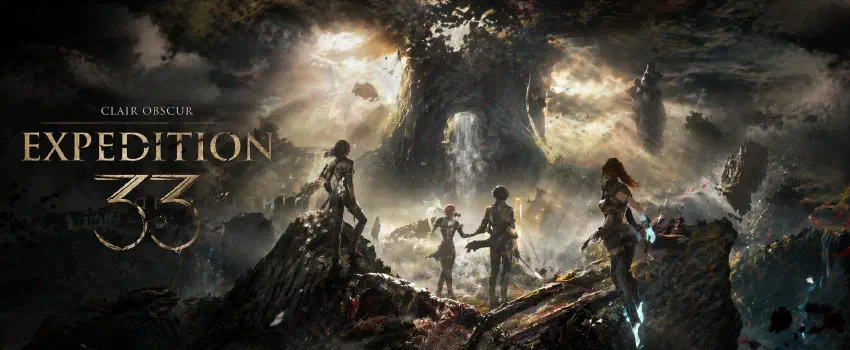
Rarely does a debut title from a new studio land with such thunderous impact as Sandfall Interactive’s Clair Obscur: Expedition 33. It is a game that feels both nostalgic and fiercely modern, blending the deliberate pacing of classic JRPGs with a visual fidelity that pushes current-gen hardware to its absolute limits. Set in a world inspired by Belle Époque France, it tells a haunting story of a Paintress who wipes away ages with a stroke of her brush.
World map

Blueprints and Whispers

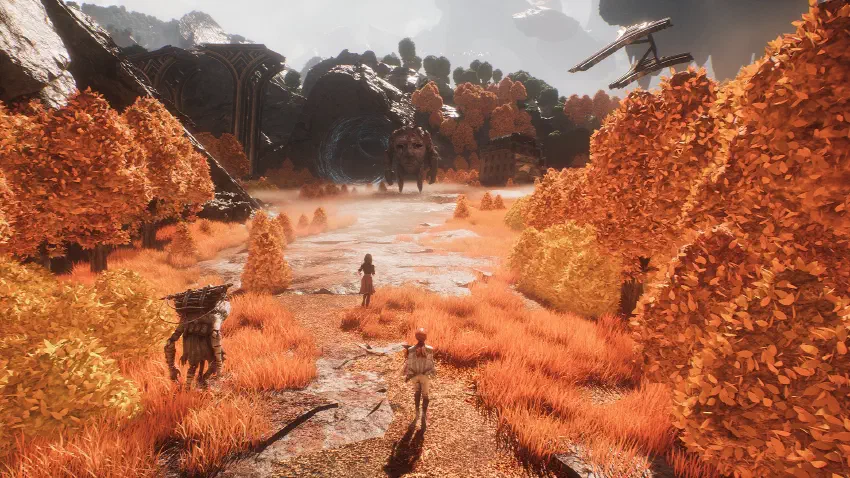
From a technical standpoint, this is a showcase for Unreal Engine 5. The implementation of Nanite and Lumen is among the best I’ve seen, allowing for environments that are densely packed with ornate architectural details without sacrificing performance. What is particularly impressive is that the team achieved this level of complexity almost entirely using Unreal’s visual scripting Blueprints, with very little C++ code—a significant feat for a project of this scale and visual fidelity.

The “Paintress” aesthetic is more than just a lore point; it informs the entire rendering pipeline, with certain effects and transitions looking like brushstrokes coming to life. However, while the levels are visually breathtaking, their layout can be deceptively labyrinthine. I often found myself inadvertently looping back to the start, lost in the sheer density of the ornate French-inspired architecture.

One stylistic choice that deserves special mention is the voice acting. Eschewing the typical high-octane shouting of action games, the cast often speaks in low, almost whispering tones—even in moments of despair or intense action. It gives the game a unique, somber atmosphere that feels distinctly deliberate and “stylish.”
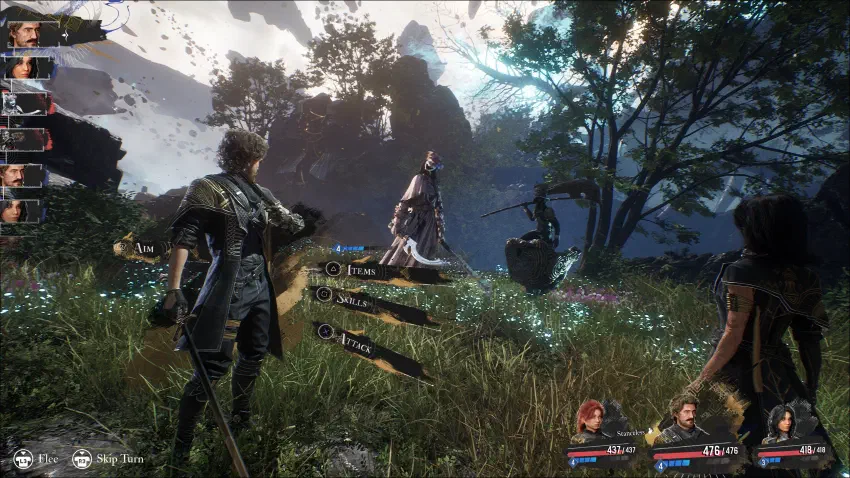
Combat

The Combat Conundrum

The most significant design decision is the “Active Turn-Based” combat. Unlike traditional JRPGs where you might select a command and watch it play out, Expedition 33 requires constant player engagement. Every enemy attack can be dodged or parried in real-time, and your own attacks benefit from timed button presses.

A crucial piece of advice for any newcomer: test if you truly enjoy this combat loop early on. Because the game is a massive RPG, you will be engaging in these mechanics hundreds, if not thousands, of times throughout the journey. If the rhythm of parrying and dodging doesn’t click for you, the sheer frequency of combat might eventually feel like a hurdle rather than a highlight. For me, it added a layer of tension but I was exausted by the end.

Narrative and Character Depth

The story is a melancholic trek through a dying world, and for the most part, the writing is superb. It tackles heavy themes of grief, death, and the core of human existence with genuine maturity. The chemistry between the members of the expedition feels earned, and their individual motivations are slowly unpeeled like an onion.

However, by the third act, the narrative starts to lose its subtle touch. Themes that were previously explored through atmosphere and subtext begin to be discussed quite plainly and repetitively, making the existential weight feel a bit more forced than it was in the game’s earlier hours.
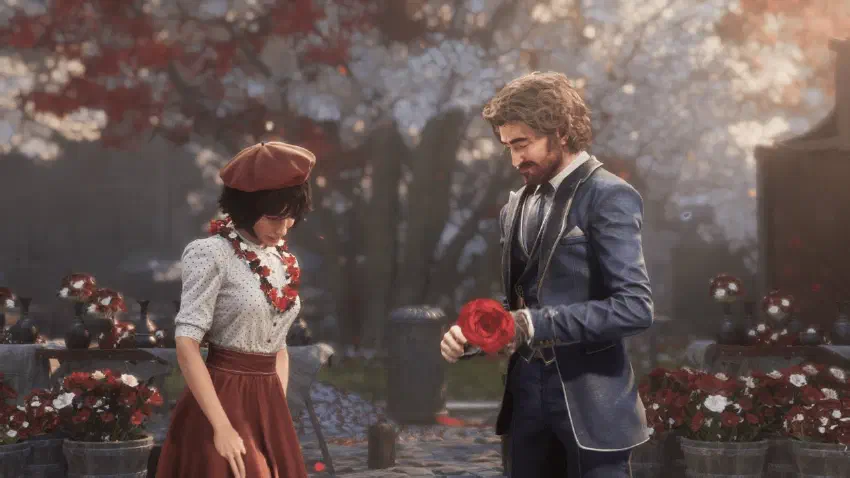
Cutscene

Rinse and Repeat

While the “active” nature of the combat is its soul, it can also lead to fatigue. Some late-game bosses have massive health pools, and maintaining perfect parry timing for 20+ minutes can be mentally draining. A bit more variety in encounter pacing—perhaps some “puzzles” within the combat system that don’t rely solely on reflexes—would have been a welcome addition.

Clair Obscur: Expedition 33 is a triumph of art and ambition. It proves that the turn-based genre still has plenty of room for innovation. Despite some third-act heavy-handedness and occasionally confusing level design, it is an essential experience for anyone who appreciates bold art direction and deep, challenging systems.
My Rating: 7★★★★★★★
Metacritic: 92
Cyberpunk 2077 feature
2021.03.10

Cyberpunk 2077

When you read this post, you probably already know: the Cyberpunk 2077 hype did not pay off. However, I would like to explore some personal insights.

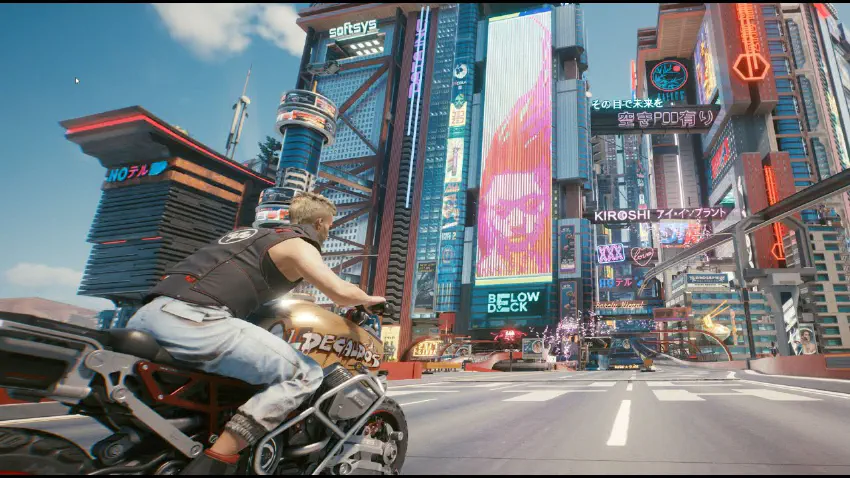
Cyberpunk 2077 6.jpg

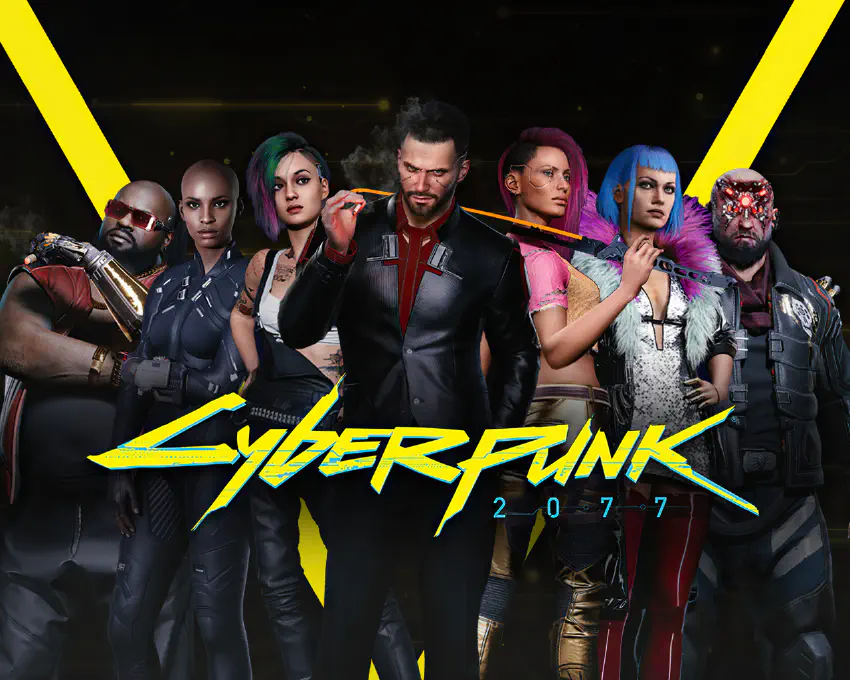
Me-Character and My Character

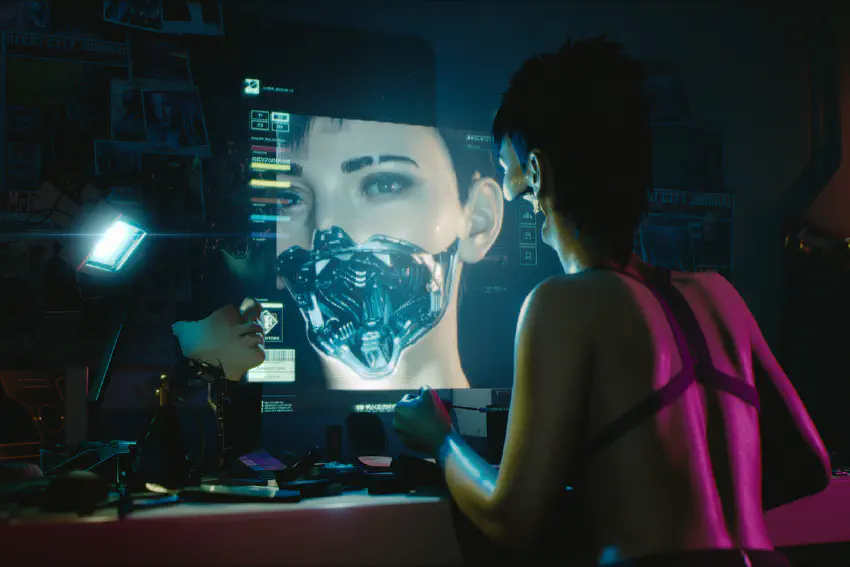
As a Role Playing Game, you are someone else. A player might spend one full hour just tweaking the characters’ appearances, hair, weight, and eyelashes. Then calmly considering spending the scarce points on each attribute. One is not creating himself/herself, but a different being. Maybe a projection or simply experimenting with unique approaches.

Then the game starts.

You barely see yourself on the screen.

Shooters are much easier to do in first-person. CDPR said they opted for the first-person approach as part of the vision that the player should feel he is indeed there. They even removed some features of the game because it was not working well in the first-person.

But as I said before, since one spent so much love creating the character, it would be a wiser decision if one would see it more often. A third person would be a better decision. It was more valuable to see the custom V fighting than was seeing Geralt’s.

The result is that I have never really connected to the character that I created.

Also, there is a second take on character creation that is unique to Cyberpunk 2077 universe: augmentations and down-the-line customizations. A game advertised as being open regarding your physical appearance, it was noted by many the lack of visual modification during the game. Not even changing the hairstyle, present in a much less relevant The Witcher 3, was absent.

Clothing functions as both technical improvements and fashion. The game could embrace the idea each piece of clothing could have any game element or bonus. It would encourage players to find their style instead keep mixing weird styles just to get specific bonuses.

Cyberpunk 2077 2.jpg

Bugs and Cars

The game was plagued by technical issues. There are hundreds of videos on YouTube with hilarious situations. CDPR had to reimburse many players, and it was removed by the PlayStation Store days after the release, due to the impossible state!

I had no crashes but a ton of buggy behaviors. Citizens’ reactions, random explosions, and enemies’ misbehavior. In some critical emotional moments, a bug can spoil the fun. I finished the game trying to do ALL the achievements. But one was impossible to achieve due to a bug in a side mission.

Then cars… The Witcher’s horse, Roach, was a delicious surprise and set the benchmark to address rideable in video games. Just before launch, Geoff Keighley (one of the few people that tasted it at the time) said driving was super satisfying. The cars felt so bad. Driving was a burden. Felt like balloons, weightless. Bikes are even worse.

I was hoping to drive like a vagabond, exploring each inch of the city. But instead, I was using teleportation all the time.

The pace that the fixes were coming was also much desirable. I finished the game in 3 months, but some patches were released back then. CDPR always had a top-in-industry attitude regarding enhancing their games after release, but this time I believe they are subpar.

Cyberpunk 2077 1.jpg

Story

At the very beginning, you have to choose the background story. There are 3 possible starting conditions. And the first act considers this choice important, pointing to it frequently.

Then it becomes irrelevant. The mid-game is a generic Ubisoft open-world game or GTA. V is on a brink of death, but the game’s open-world nature let her have romantic relationships, racing, and help other people that, frankly, could wait until you solve your most significant issue.

While not very original “there is a dude inside your head”, their take is unique and grounded. However, CDPR opted to use other very boring tropes like “He was supposed to die, but he miraculously survived”. No need to put a bullet in V’s head to wake her up in the next scene.

The mid-game is an “ensemble a killer team” theme. It was nice but the team and the final mission are less like Ocean’s Eleven and more like The Avengers: group a team of 3 guys and storm into the castle. A good point is the insertion of several recurring characters in side missions. From love affairs to super AI or ex-cops, the player starts to care about them after some time.

The final orchestrated act was also lacking due to a single biggest factor, IMHO: there are no good villains. A good villain has to be seen, tasted, and feared often. If you show Adam Smasher only once, 50 hours late you could not care less about him. The other Arasaka family members are the same.

Think about the great movie and video game villains. They have a considerable amount of screen time, so the viewer has the chance to witness his evil intentions. Darth Vader, Joker, Glados, LeChuck, Ganon, Bowser.

A very good aspect of the story is the cultural references and jokes. More than once, I was caught laughing out loud with some of them.

Cyberpunk 2077 5.jpg

Conclusion

As one of the first games I have ever pre-ordered, I must say that knew what was coming. If I waited for some reviews first…

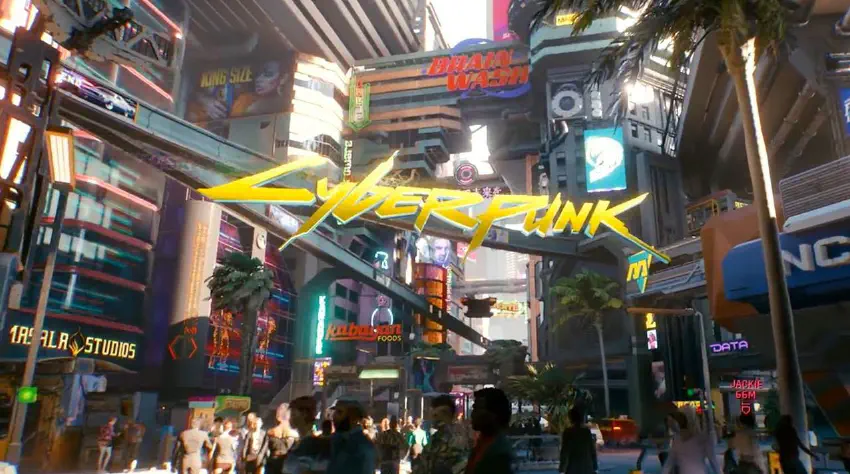
Cyberpunk 2077 is an ambitious project and several parts of it show it. However, despite the strong beginning, it becomes a generic open-world game with amazing graphics.

I finished the game and most of the achievements. 100+ hours on it. Yet, I feel disappointed. I even may get back to it in a couple of months or years, with extra content and numerous enhancements.

Cyberpunk 2077 1.png

My Rating: 7★★★★★★★
Metacritic: 86
The Subtle Art of Not Giving a F*ck feature
2018.12.13

The Subtle Art of Not Giving a F*ck

This title-provoking book tries to tell a very important lesson: not everything is worthy of your attention and worries. Most of the things that make us worried and down could be easily avoided if we maintain a strict rule of not giving a F.

It’s kinda a Buddhism in the modern blogger language. Like the book, Buddha says desire leads to suffering. So you must clear your mind of all desires, not giving a f*ck about stuff. Especially material stuff.

The first third of the book is pretty nice. Is a bit thought-provoking, giving you a sense of perspective on your life. I liked this part very much. I believe that it’s worth a reread from time to time. The second and third parts direct the same philosophy towards more practical aspects of life, like relationships, love, and work. There the advice becomes a bit too narrow and full of must-do and must not do kinda lists.

Overall, I liked the book. It’s that kind of self-helping book that shakes a bit the status quo and makes us reevaluate our lives.

My Rating: 7★★★★★★★
Goodreads: 4
Little Nightmares feature
2018.10.14

Little Nightmares

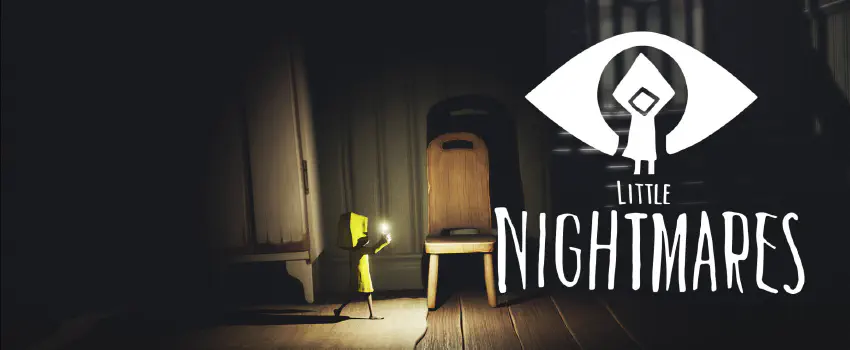
In the same vain of critically acclaimed Limbo and Inside (review pending :P), from Playdead Games, Little Nightmares, from Tarsier Studios offers a great action puzzle adventure, full of mysteries.

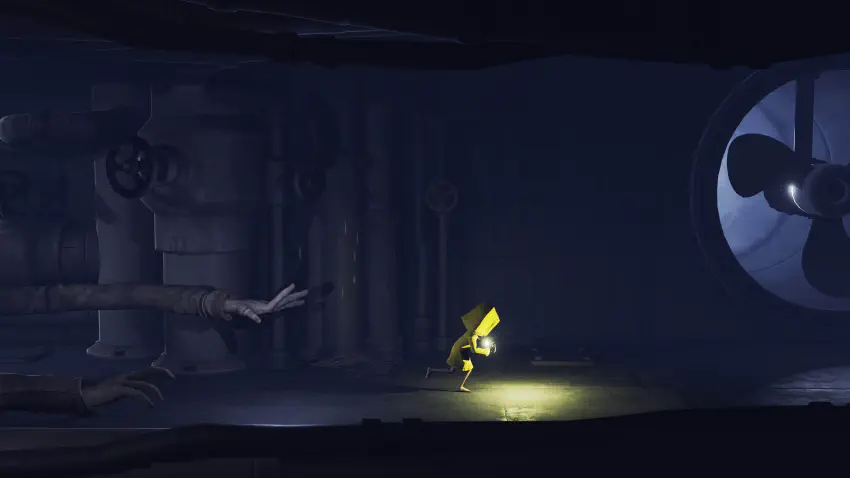
The game, unlike the mentioned ones, are played in a 2.5 world. It’s mostly 2D, but there are some things that require the Z axis. To be quite frank, it is partially one of the problems with the game. More of that later.

Little nightmares 1

The story is a bit clearer than the Playdead games, but it still is a clueless journey. All these games offer a minimalist approach for storytelling. One can argue that it is a valid and logical choice in a situation where you are alone and running away from danger. However, the lack of exposure let the players in the darkness most of the time. You might eventually discover whada heck is going on, but chances are you will play-throughout the game without know much.

In a scale, Inside is mostly undecipherable, Limbo is an understandable (due to the simple boy runs premise) and Little Nightmares might have the most clear story.

Little nightmares 3

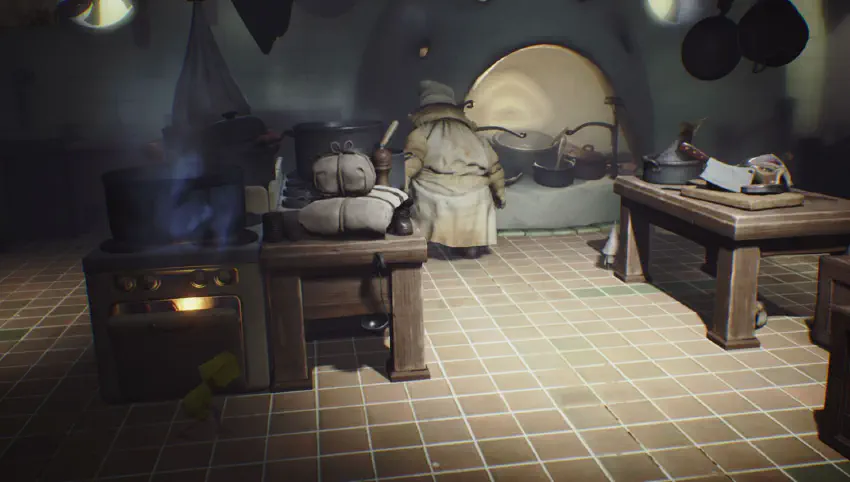
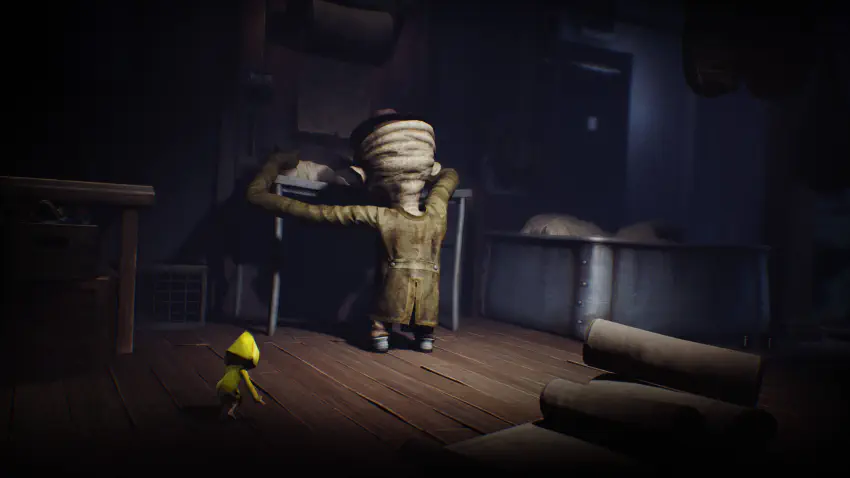
The giant grotesque figures are super creepy, but after some deaths, they do not offer the terror that one might except. They fall mostly in the range of stranger than from pure evil that want you dead.

The controls caused me several problems. I was expecting to use the game pad, but the analog joystick was too imprecise, especially during running. I was often falling into the void because I was running towards the camera instead sideways. I had to change to mouse+keyboard scheme, which was weird for such a game. Ironically, the 2.5 feature of the game was not that important. It mostly could be replaced to a tracked walk towards the Z axis, making the game essentially a 2D.

Little nightmares 2

The visuals are amazing. It totally delivers the premise of uncanny familiarity and strangeness. The awkward feeling that you know something is not right is present here. Your character is relatable. Its fragile nature makes the whole adventure more epic.

Because it has a chapter-like story. One could try to replay its best parts to manage to get achievements or contemplate better the scenarios.

Note: I like the game so much that I was compelled to try it’s 3 expansions. Nice.

My Rating: 7★★★★★★★
Metacritic: 78
Final Station feature
2018.06.11

Final Station

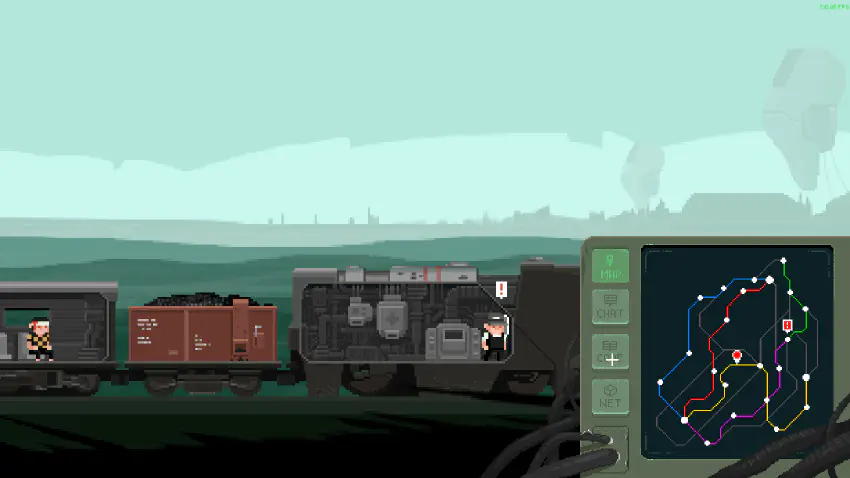
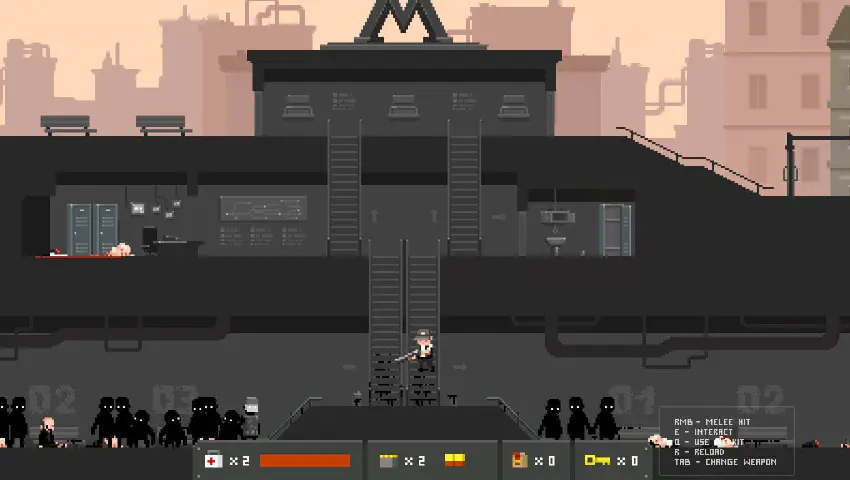
This small game is a 2D action-horror game.

It all happens in a middle of an alien-like invasion. They transform every human into a zombie like creature. The whole country (maybe the whole world?) is trying to survive. The train system is basically the only transportation system available.

You control a train conductor. You have to guide your train to station after station, performing some missions to save humanity.

It has simple controls, effective story, nice mechanics. You might even run a second time (because it is a quite short adventure) in order to do every possible achievement.

Final station 3.png

Final station 2.jpg

My Rating: 7★★★★★★★
Metacritic: 76
Bruno MASSA