


Português English

10

A Samurai Masterpiece (and It is not The 7 Samurai) feature
2025.07.05

A Samurai Masterpiece (and It is not The 7 Samurai)

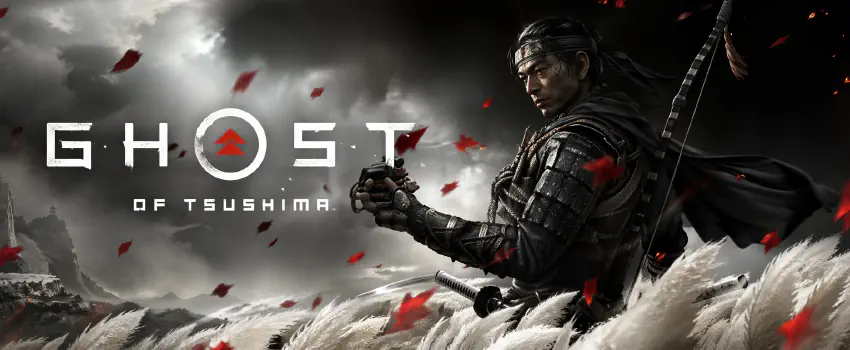
Every few years, a title comes along that feels like it was crafted with a singular, unwavering vision. This samurai epic is a stunning love letter to cinema that earns every single frame. It quickly became my favorite of the year, not just for its emotional weight, but for its sheer technical elegance.

The End of Loading

From a gamedev standpoint, the most mind-blowing achievement here is the data streaming. The loading speeds are blazing fast, even on PC. On a modern NVMe drive, fast travel feels almost instantaneous—it’s a masterclass in asset management and decompression. Traditionally, open-world games suffer from “pop-in” or long transition screens to clear the buffer, but Sucker Punch managed to optimize their proprietary engine to a degree that makes the hardware feel invisible. This isn’t just a convenience; it changes how you interact with the island, encouraging frequent exploration without the “loading tax” that usually hampers large-scale RPGs.
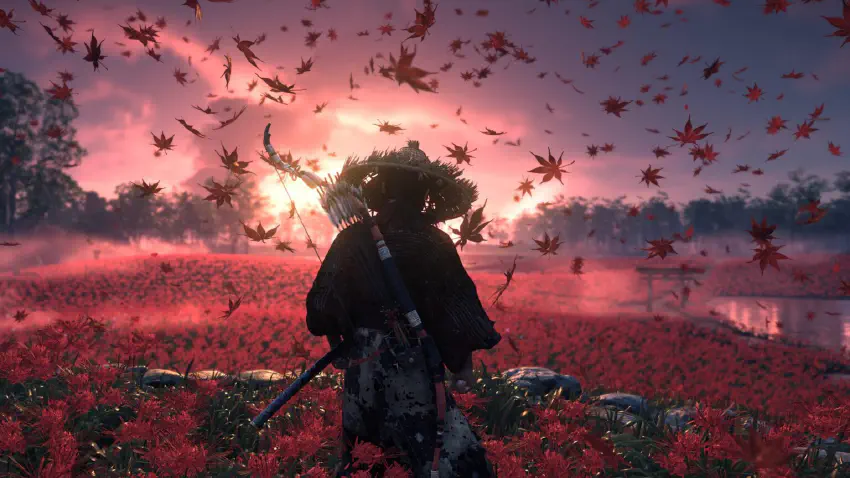
Ghost of tsushima red scene

The use of particle effects and wind simulation is another area of technical brilliance. Instead of static environments, the island is in constant motion. Every pampas grass blade, every falling leaf, and every drop of blood follows the physics of the world. The decision to use the “Guiding Wind” as the primary navigation tool is a strokes of UX genius. It removes the need for a cluttered HUD or a distracting mini-map, keeping the player’s eyes firmly on the beautiful art direction.

Cinema Choices

Visually, the project is a triumph of color theory. Each region has a distinct palette—from the fiery reds of a maple forest to the serene purples of a flower-filled field. While I only played around with the photo mode and the “Kurosawa Mode” briefly, I can acknowledge they are superb. The Kurosawa Mode, specifically, isn’t just a black-and-white filter; it adjusts the contrast, film grain, and even the audio quality to mimic the 1950s cinematic aesthetic. It’s a bold artistic choice that demonstrates a deep respect for the source material.

The combat gameplay is a perfect blend of simplicity and depth. It’s addictive, built around stances that must be switched in real-time to counter specific enemy archetypes. The “clash” of steel feels weighty and responsive, providing a visceral satisfaction that many action games struggle to capture.

Ghost of tsushima red scene

Honor and Sacrifice

At its heart, the narrative tells a compelling story of Jin Sakai, a man forced to choose between the rigid code of his ancestors and the “dishonorable” tactics needed to repel a Mongol invasion. Unlike many open-world experiences where the plot can feel disjointed, Jin’s journey remains gripping from start to finish. The supporting cast is equally strong, with side quests that feel like meaningful chapters rather than mere filler.
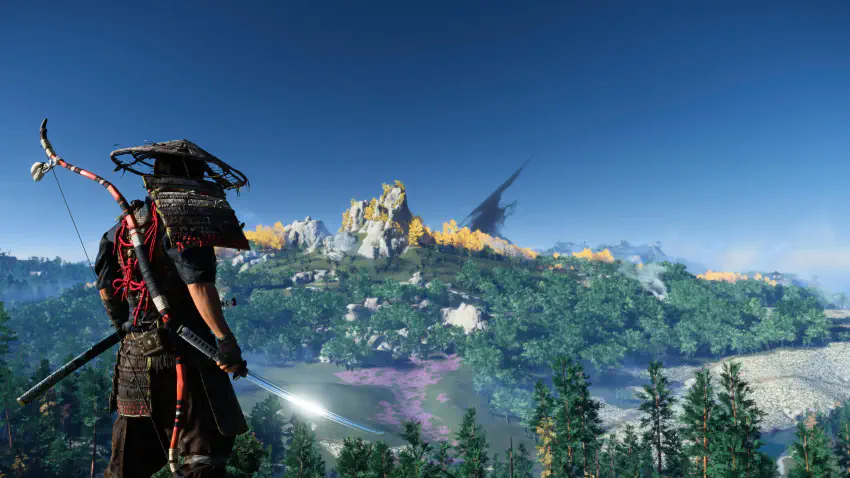
Ghost of tsushima scene

The project is a rare 10/10 for me. It takes the familiar open-world formula and polishes it to a mirror sheen, delivering a mechanical and emotional experience that stays with you long after the credits roll. It’s a testament to what happens when technical optimization and artistic vision are perfectly aligned.
My Rating: 10★★★★★★★★★★
Metacritic: 87
Arcane: A Masterclass in Animated Storytelling feature
2024.09.27

Arcane: A Masterclass in Animated Storytelling

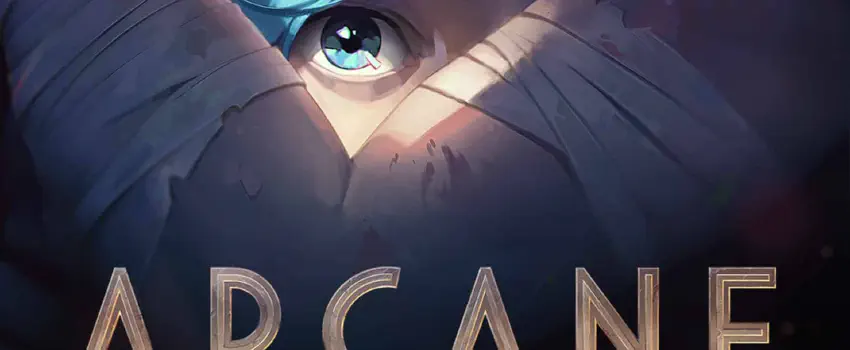
It’s kinda rare to find a show that truly pushes the boundaries of both visual artistry and narrative depth. Netflix’s Arcane does just that. This series, based on the popular e-sport game League of Legends, defies expectations of both animated shows and game adaptations. I can confidently say that Arcane stands on its own as a masterpiece of animation and storytelling.

The old formula of Satisfaction = Experience - Expectations rings true here; with minimal expectations, the actual satisfaction went to the roof.

Post-Disney Rule-book

It boldly breaks away from the Walt Disney formula, long followed by Western animation studios. Much like how “Spider-Man: Into the Spider-Verse” rightfully claimed the Oscar for Best Animated Feature, Arcane is a representative of a new era of audacious artistic choices.

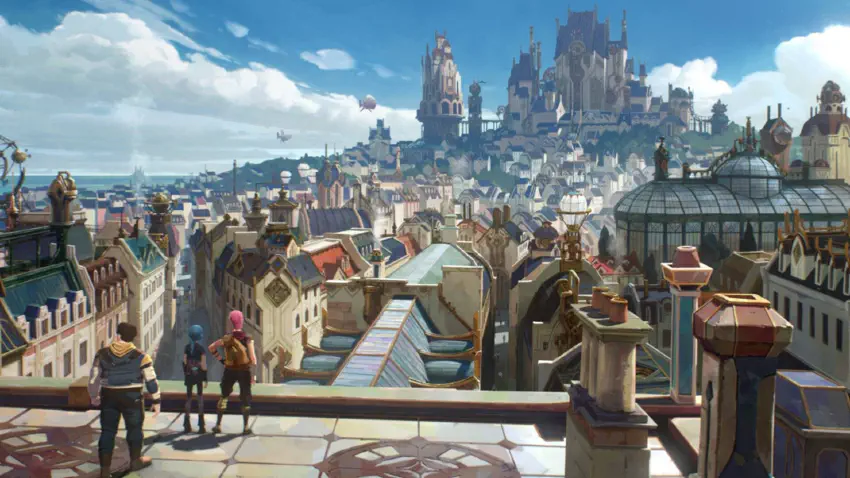
The series’ visual style is nothing short of breathtaking, seamlessly blending 2D and 3D techniques to create a unique aesthetic that’s both gritty and beautiful. The attention to detail is astounding, from the intricate steampunk designs of the city’s towering spires to the grimy, neon-lit streets of the underworld. The cinematography employs non-standard angles, innovative compositions, and dramatic lighting that would be at home in a live-action film.

Interestingly, the characters themselves are deeply invested in various forms of art, from painting to music. There are scenes where characters are actively creating art, stroking paint onto canvas, their actions mirroring the creative process behind the show itself. Nice meta-textual layer.

City of pitover

While the character animations are indeed noteworthy, with facial expressions conveying complex emotions through subtle movements, it’s a holistic approach to the visual and auditory experience. It is enhanced by a masterful sound design and a compelling musical score.

Mature Narrative

While the visuals might draw you in, it’s the mature and intricate storyline that keeps you hooked. This is decidedly not a children’s show, tackling complex themes such as politics, class struggle, drug addiction, and mental health with depth and exploring themes of family, loyalty, and the corrupting influence of power.

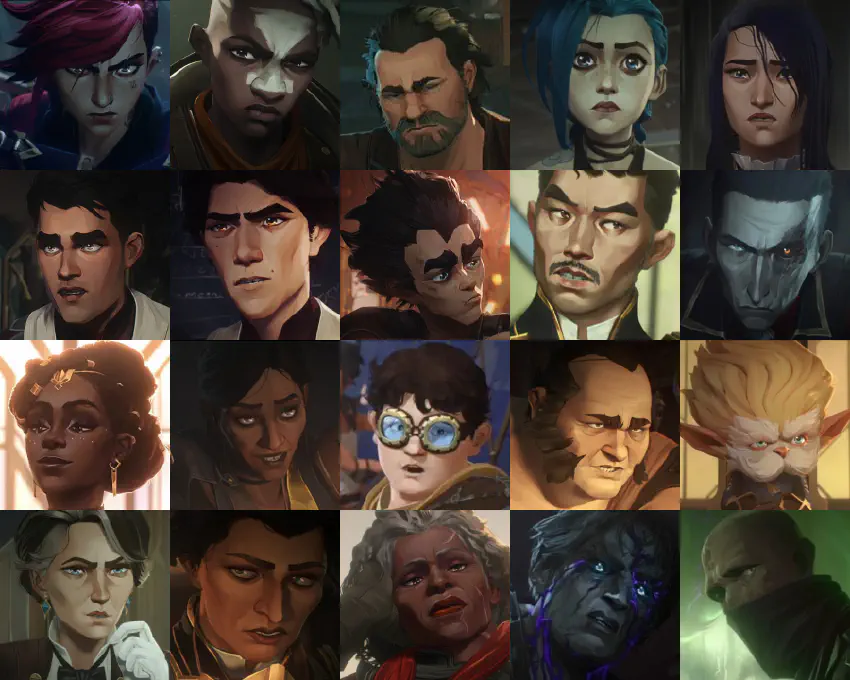
Arcane cast of characters

What’s particularly impressive is how the show manages to give each character enough screen time to develop fully. Unlike series that rush to action scenes and vague dialogues (looking at you, “Rings of Power”), Arcane takes the time to develop its cast. Viewers understand and care about the characters’ motivations, making the conflicts feel real and impactful. There are no clear-cut heroes or villains here; even characters who initially seem antagonistic are given depth and motivation, making them understandable, if not always sympathetic.

One of the show’s greatest strengths is its world-building. While some shows struggle to make their lore accessible (think “House of the Dragon”, where many details are only truly appreciated in “making of” videos), Arcane manages to present its rich world in a way that’s both detailed and digestible. The cities of Piltover and Zaun are characters in their own right, with distinct aesthetics and cultures that inform the actions of their inhabitants. The show explores these locations methodically, allowing viewers to build a mental map of this fantastical world without feeling overwhelmed.

Super Accessible

As someone who came into Arcane with virtually ZERO knowledge of League of Legends (except knowing it’s a worldwide famous MOBA e-sport with a seemingly insurmountable entry barrier), I was pleasantly surprised by how accessible the show is. While there are undoubtedly references and Easter eggs for fans of the game, the series stands entirely on its own. The lore and world are introduced organically, never feeling like an information dump or requiring outside knowledge to appreciate.

Watching with my wife, who is also unfamiliar with the source material, was a delightful experience. The show sparked discussions until long after each episode ended.

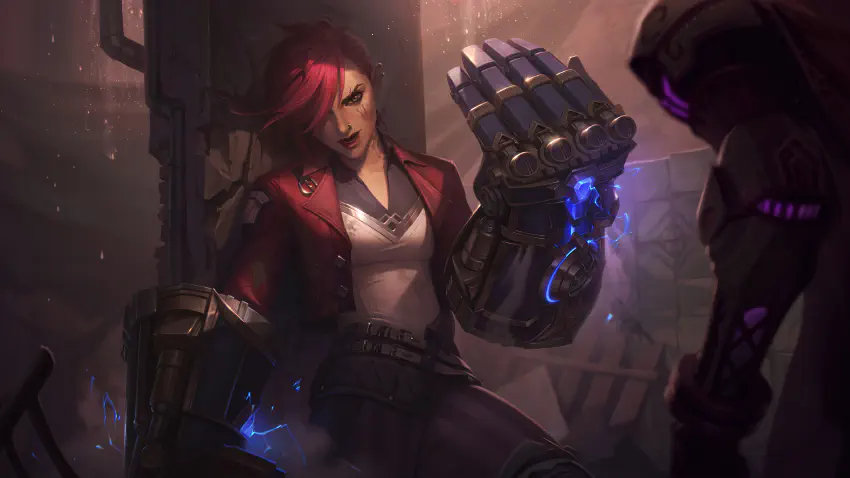
Arcane vi

It’s clear that the creators prioritized telling a compelling story first and foremost, rather than simply creating a cash grab. The second and final season is planned for release in November 2025, and we’ll be eagerly waiting on the couch.

My Rating: 10★★★★★★★★★★
Metacritic: 95
The Forgotten City feature
2024.03.24

The Forgotten City

In the vast landscape of video games, it’s a rare gem that can truly captivate and immerse you in its world. Originally born as a mod for Skyrim (9★★★★★★★★★) (which I’ve never played), The Forgotten City has since evolved into a standalone game that masterfully weaves together elements of Roman mythology, time loops, and detective work. Having heard the whispers of its brilliance, I found myself irresistibly drawn to it, and after spending nearly 13 hours-straight unraveling its mysteries, I can confidently say that it exceeded my expectations.

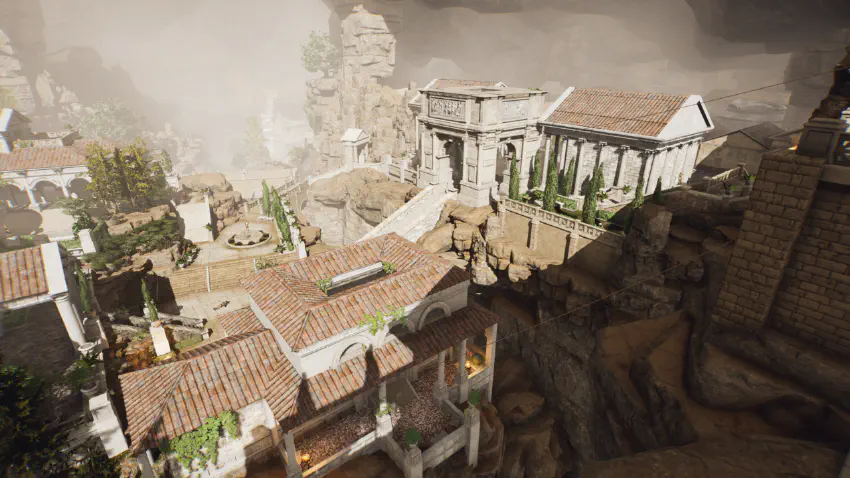
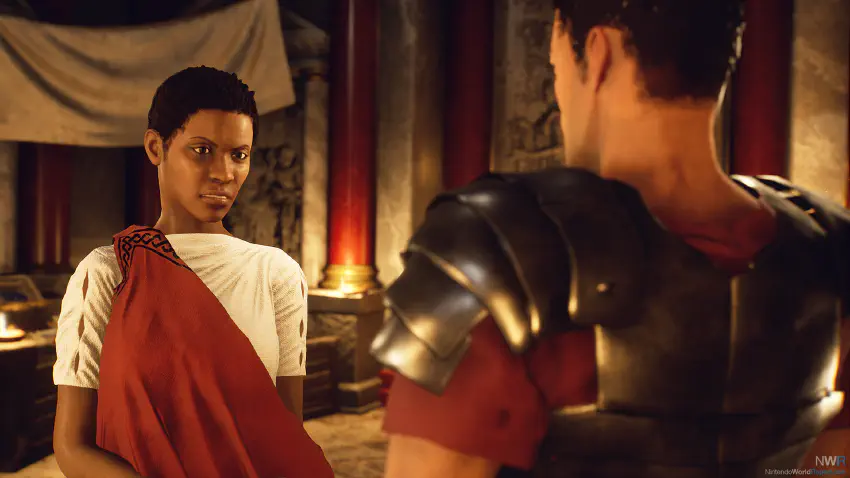
The titular forgotten city

From the moment you step into its realm, it presents a visual feast. The game’s graphics are nothing short of stunning. The city itself is a character in its own right, with its crumbling ruins, intricate architecture, and a palpable sense of history that seeps from every stone. The developers have truly outdone themselves in creating a world that is as beautiful as it is mysterious.

The gameplay of The Forgotten City is a masterclass in incentivizing exploration and experimentation. As you navigate the city and its inhabitants, you’re encouraged to delve deeper, to ask questions, and to test the boundaries of the world around you. This isn’t a game that holds your hand; instead, it trusts you to find your own way, to make your own mistakes, and to learn from them. While it may not reach the heights of detective work seen in games like Return of the Obra Dinn (9★★★★★★★★★) it still offers a satisfying and engaging experience for those who enjoy unraveling mysteries.

The characters are, for the most part, fascinating and well-developed. Each has their own story to tell, their own secrets to hide, and their own role to play in the grand tapestry of the game’s narrative. The voice acting is top-notch, bringing these characters to life in a way that makes you genuinely care about their fates.

Citizens

The story is a captivating and intricate web of mystery and intrigue. It uses, and at times subverts, the tropes of time travel stories to great effect. It unfolds gradually, revealing its secrets layer by layer as you delve deeper into the game. The narrative is a testament to the power of storytelling in video games, demonstrating how a well-crafted plot can draw you in and keep you hooked for hours on end.

However, the game’s ending, while satisfying in its own right, feels somewhat rushed. In a sudden flurry of exposition, villains explain their motivations and actions in a manner reminiscent of an old James Bond movie. This hasty revelation, while providing necessary closure, lacks the nuanced build-up that characterizes the rest of the game.

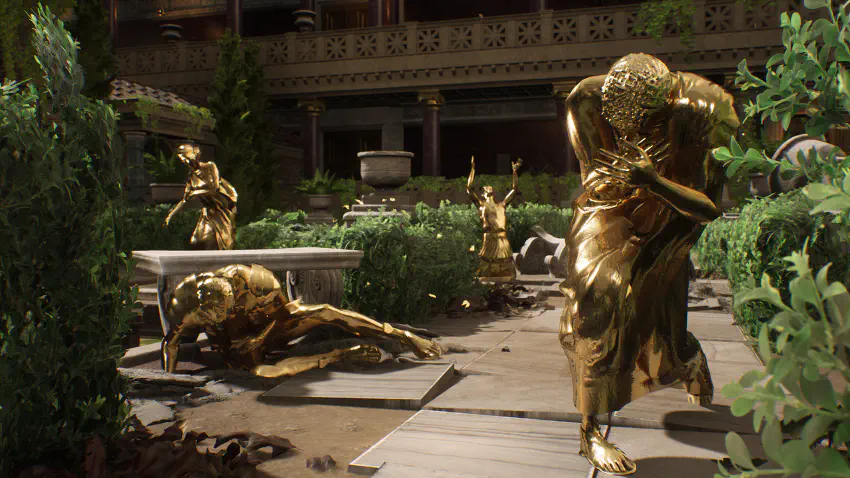
“The Many Shall Suffer for the Sins of the One”

The punishment
Every one will be turned into gold if even a single person commits a sin

Despite this minor flaw, The Forgotten City is a standout game that offers a unique and immersive experience, offering insights into Roman and Greek cultures that will appeal to history buffs and newcomers alike. A shining example of what can be achieved when creativity, passion, and skill are combined in the world of game development.

My Rating: 10★★★★★★★★★★
Metacritic: 85
Pandemic (The Game) feature
2021.09.02

Pandemic (The Game)

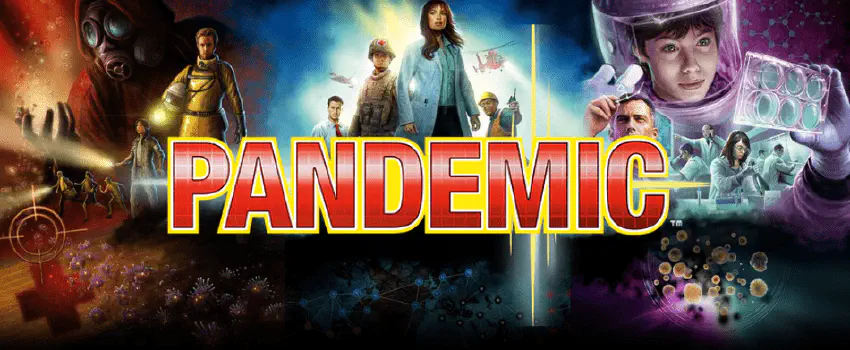
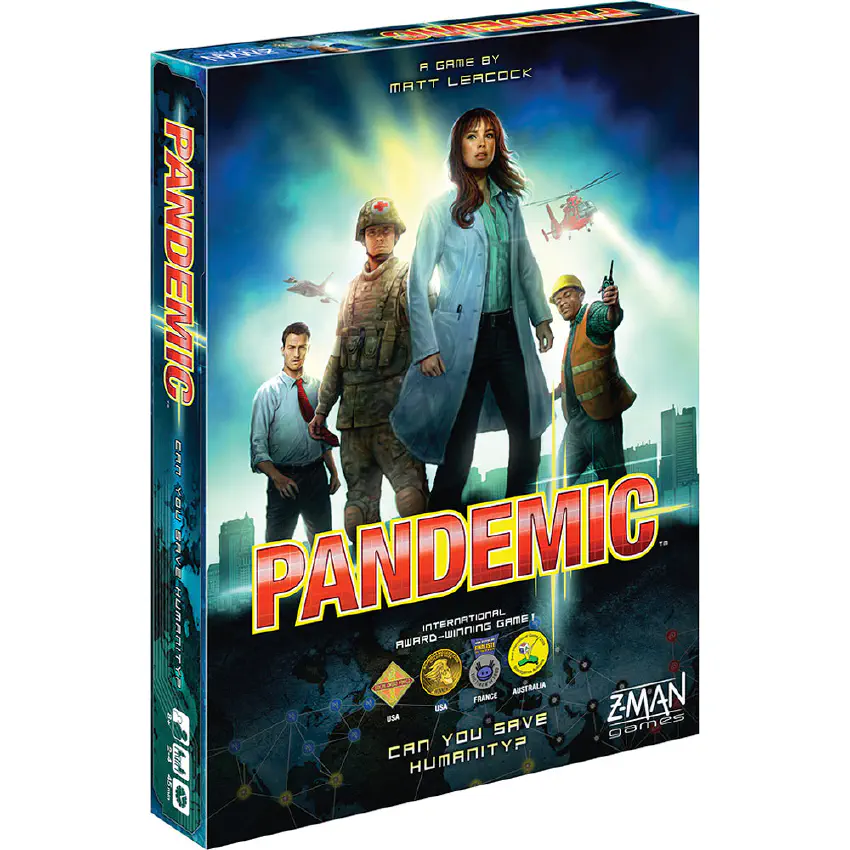
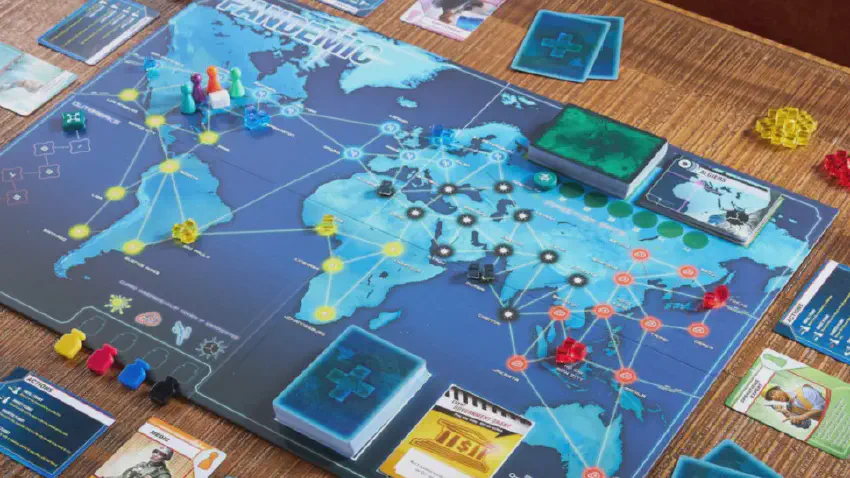
Since I started to follow the rising popularity of board games, 15 years ago, one game the games that was recurrently recommended is Pandemic, designed by Matt Leacock. When I finally had the chance to buy a game from US, it was one of the 4 games I’ve got.

At the prestigious BoardGameGeek top ranked games, Pandemic figured in the top 10 games for quite some time. Now the Legacy version is currently in the top 3.

Tgtg ho17 zm7101.jpg

The main attractive at the time is the idea of a cooperative game. All players fight against the game itself. On video games its common, but was kinda a novelty for tabletop games. It plays well with 2 to 5 people and you can even play with children, because it’s all information is open so you can help the decisions for each player. Also because of been cooperative, it’s very easy to teach other people, because you can teach and repeat the rules while playing.

The let’s Save the World from a Pandemic theme was already fun, but now it has an almost historical and technical value to it. The game popularity spawned several expansions, spin offs and the most successful Legacy series, the campaign story-drive version.

T b8z ghm xw48p2 qjyf rr j4 s 970 80.jpg.webp

It’s my most played board game to date. For a reason.

My Rating: 10★★★★★★★★★★
Sapiens: A Brief History of Humankind feature
2017.06.26

Sapiens: A Brief History of Humankind

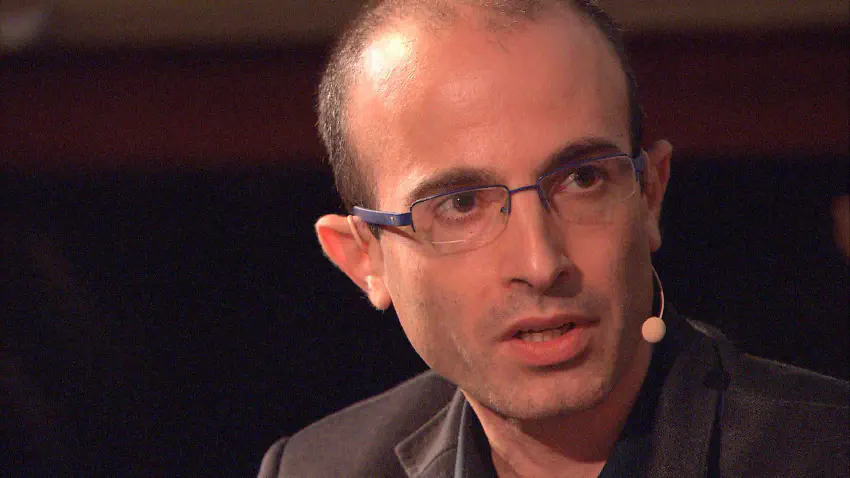
I first “met” Yuval Noah Harari in a TED talk last year. He was talking about Nationalism vs. Globalism: the new political divide. I like him and his ideas. Interesting and compelling. I didn’t know at the time he was a writer. By accident, I found his book.

I read it entirely in 2 days. Love it.

It is a comprehensive visual of mankind. Several sub-subjects are in my top interest subjects, like religion (from a scientific perspective), politics, economics, and scientific advances. It dedicates several initial chapters explaining what we know about the origin of our species. The point when we forked our hereditary tree from other primates and other man-like species, like Neanderthals (in fact, he argues that it is not exactly like this). It is a 50000+ years analysis of the importance of agriculture, language, and religion. The origin of states. It is mind-blowing.

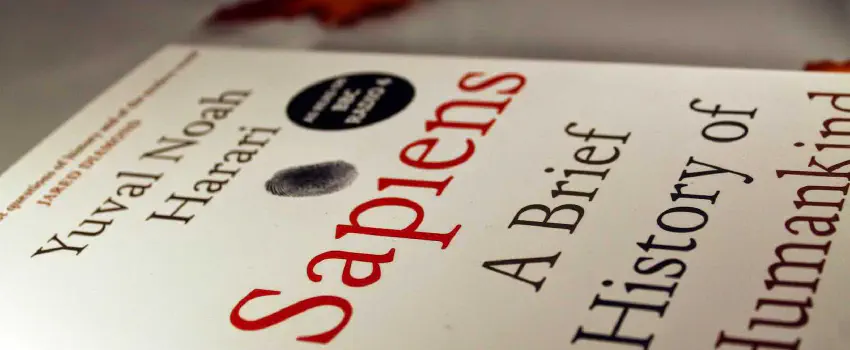
Sapiens harari 1.jpeg

Then he enters a revision of the known history, also, focusing on one layer at a time. He explains why the Homo Sapiens because the rulers of the planet Earth. Why we managed to be so successful? The book is very centered on religion and religion-like lines of thought, like capitalism (yes… very thought-provoking).

The book is mostly founded on science and data. But also on plausible extrapolations and reasoning. And his writing style is quite convincing.

It is not an accident it is a bestseller. It is not an accident it is a loved book by many.

Simple: READ IT.

My Rating: 10★★★★★★★★★★
Goodreads: 4.4
Bruno MASSA